


Medically Reviewed By: Dr. Imran Khan, MD, IFMCP
Published: October 09, 2026
Perimenopause Can Affect More Than Your Menstrual Cycle
Perimenopause symptoms in women can begin while periods are still occurring and may include irregular periods, hot flashes, night sweats, sleep problems, mood changes, and vaginal dryness. These signs can vary considerably in timing and intensity, and similar symptoms can also occur with other health conditions.
At Internal Healing & Wellness MD, physician-led evaluation considers your symptoms, menstrual cycle, life stage, and health history to determine whether perimenopause or another factor may warrant attention.
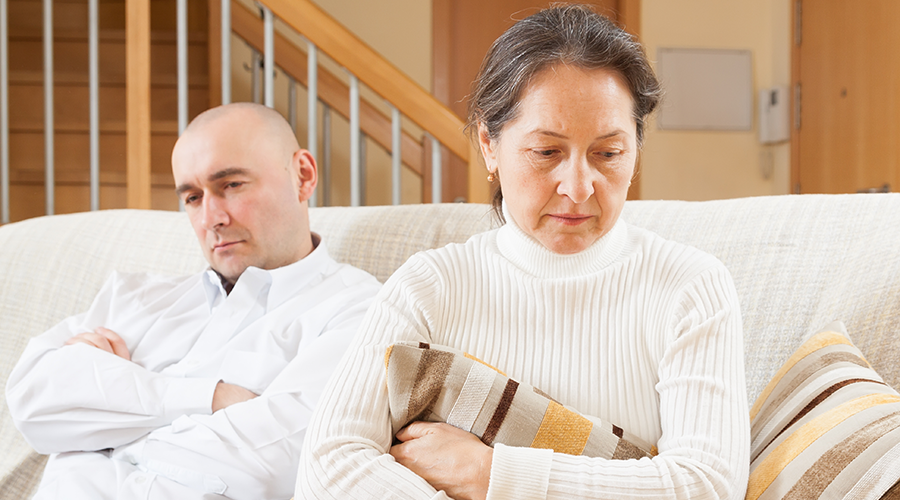
Disclaimer: This page provides general education about perimenopause and isn't a substitute for professional medical advice, diagnosis, or treatment. Consult a healthcare provider for your situation and seek prompt care for severe symptoms.
Perimenopause Timing, Duration, and Hormonal Changes
Perimenopause commonly begins in the 40s, although the typical age and timing vary. As ovarian function changes, estrogen and progesterone patterns become less predictable, and ovulation may occur less consistently.
This transition continues until menopause, which is reached after 12 consecutive months without a menstrual period, provided another cause is not responsible.
How long does perimenopause last? There is no fixed timeline. The transition often spans several years, and its duration can differ substantially between women.
10 Physical and Emotional Changes to Recognize
Perimenopausal symptoms can involve several areas of health, and their timing and intensity can vary. The following changes are commonly reported during the menopause transition, although none is specific to perimenopause on its own.
1. Changes in Menstrual Timing and Bleeding
Less consistent ovulation can change when a menstrual period arrives and how long or heavily you bleed. Irregular periods may include shorter or longer cycles, skipped periods, or changes in flow.
Very heavy, prolonged, or otherwise unusual bleeding should still be evaluated rather than assumed to be part of perimenopause.
2. Hot Flashes
Hot flashes are vasomotor symptoms linked to changes in the body's temperature regulation during the menopause transition. They can cause a sudden feeling of warmth, often across the face, neck, or chest, sometimes accompanied by sweating, flushing, or chills afterward.
3. Night Sweats
Night sweats are hot flashes that occur during sleep. Episodes severe enough to wake you or soak clothing or bedding can fragment sleep, potentially contributing to fatigue and difficulty functioning the following day.
4. Changes in Sleep
Hormonal changes may coincide with difficulty falling asleep, waking during the night, or waking earlier than intended. Importantly, sleep problems can occur even without night sweats and may also have causes unrelated to menopause.
5. Mood and Anxiety Changes
Some women notice increased irritability, mood changes, or anxiety during perimenopause.
Changing hormones may contribute to these emotional symptoms, but sleep, stress, previous mental health concerns, and other factors can also influence perimenopause anxiety and mood.
6. Vaginal Dryness and Discomfort
Changes in estrogen can affect the moisture, elasticity, and thickness of vaginal tissues. This can contribute to vaginal dryness, irritation, or discomfort during sexual activity, with symptoms sometimes becoming more noticeable as the transition progresses.
7. Changes in Sexual Desire
Libido may increase, decrease, or remain unchanged during perimenopause. Hormonal changes can play a role, but sexual desire is also influenced by vaginal discomfort, sleep, medications, stress, relationships, and other health conditions.
8. Changes in Headaches or Migraines
Fluctuating estrogen levels can affect migraine patterns in people who are hormonally sensitive. Migraines may become more or less frequent or change in intensity, but a new or significantly different headache pattern deserves medical evaluation.
9. Difficulty with Concentration or Memory
Some women report forgetfulness, difficulty concentrating, or feeling mentally less sharp during the transition. Sleep disruption, stress, mood changes, and other health factors may contribute, so these experiences should not automatically be interpreted as cognitive decline.
10. Changes in Weight and Body Composition
Changes in body composition become more common around midlife, including a tendency toward greater abdominal fat accumulation and loss of lean mass.
Weight gain during perimenopause is not explained by hormones alone. The aging process, physical activity, sleep, dietary patterns, and metabolic health can all contribute.
Health Conditions with Symptoms Similar to the Menopause Transition
The physical and emotional symptoms associated with the menopause transition are not specific to menopause. Similar changes can occur with:
- Thyroid disorders, which can affect menstrual patterns, mood, sleep, and temperature tolerance.
- Pregnancy, particularly when periods become less predictable.
- Medication effects, which may influence bleeding, sleep, or mood.
- Anemia or other causes of abnormal bleeding, especially when bleeding becomes heavy or prolonged.
- Sleep disorders, which can contribute to fatigue and concentration problems.
- Mental health conditions, which may contribute to anxiety, depression, or persistent mood changes.
New, persistent, severe, or disruptive symptoms deserve evaluation by a healthcare provider rather than being attributed to hormonal changes alone.
Clinical Evaluation and Targeted Testing for Perimenopause
At Internal Healing & Wellness MD, our perimenopause evaluation considers hormonal changes within the broader context of a woman’s health.
The assessment may consider:
- Menstrual and symptom patterns.
- Medical and health history.
- Sleep, stress, nutrition, and physical activity.
- Metabolic and thyroid factors when clinically relevant.
- Medications and other health conditions.
Because hormone levels can fluctuate during perimenopause, testing is selected according to the clinical picture rather than using the same hormone panel for every patient.
Results are interpreted alongside symptoms and history to identify relevant concerns and guide individualized next steps.
Conclusion
Perimenopause can bring varied symptoms, but similar changes may reflect other conditions. Tracking the pattern and discussing concerning symptoms with a healthcare provider can guide appropriate care.
Frequently Asked Questions
Yes. Ovulation may be less predictable, but it can still occur until menopause is reached. If pregnancy is not desired, discuss appropriate contraception with your healthcare provider rather than assuming changing cycles prevent conception.
Yes. Hormonal contraception can alter bleeding patterns and affect some menopausal symptoms, making menstrual changes less useful for recognizing the transition. Your age, symptoms, contraceptive method, and medical history can provide additional context.
Very heavy or prolonged bleeding, bleeding between periods, or bleeding after sex deserves medical evaluation. Any bleeding after menopause should also be assessed rather than attributed to normal hormonal changes.
Not necessarily. Menopausal care may be provided by an OB/GYN, primary care physician, or another clinician experienced in women’s health. An OB/GYN or other specialist may be appropriate for abnormal bleeding, gynecologic concerns, or symptoms requiring specialized evaluation.
Yes. Changing hormone patterns can cause symptoms to vary in frequency and intensity over time. Improvement or recurrence does not necessarily indicate that the transition is progressing in a predictable sequence.
Get Clearer Answers About Your Changing Hormones
Get personalized guidance for the symptoms affecting your daily life. Internal Healing & Wellness MD provides physician-led care to help you understand your options and determine the right next steps for your health.
Schedule your personalized consultation today.
Relevant Studies and References
- Balasubramanian, I., Abhijita, B., Krishnamoorthy, Y., Gnanadhas, J., Beg, M. J., & Menon, V. (2026). Prevalence and incidence of depressive, anxiety, and insomnia symptoms in perimenopausal and postmenopausal women: Systematic review and meta-analysis. General hospital psychiatry, 100, 325–335. https://doi.org/10.1016/j.genhosppsych.2026.03.010
- Bangle, A., Williams, D., Walters, J., & Nguyen, L. (2026). Cognitive functioning in perimenopause: An updated systematic review and meta-analysis. Psychology and aging, 41(3), 303–318. https://doi.org/10.1037/pag0000946
- Burger, H., Woods, N. F., Dennerstein, L., Alexander, J. L., Kotz, K., & Richardson, G. (2007). Nomenclature and endocrinology of menopause and perimenopause. Expert review of neurotherapeutics, 7(11 Suppl), S35–S43. https://doi.org/10.1586/14737175.7.11s.S35
- Haufe, A., Baker, F. C., & Leeners, B. (2022). The role of ovarian hormones in the pathophysiology of perimenopausal sleep disturbances: A systematic review. Sleep medicine reviews, 66, 101710. https://doi.org/10.1016/j.smrv.2022.101710
- Korn, T. F., & Bernstein, C. (2026). Migraine across the menopausal transition and beyond: A narrative review. Headache, 66(6), 1390–1404. https://doi.org/10.1111/head.70071
- Mili, N., Paschou, S. A., Armeni, A., Georgopoulos, N., Goulis, D. G., & Lambrinoudaki, I. (2021). Genitourinary syndrome of menopause: a systematic review on prevalence and treatment. Menopause (New York, N.Y.), 28(6), 706–716. https://doi.org/10.1097/GME.0000000000001752
- Zhang, Z., DiVittorio, J. R., Joseph, A. M., & Correa, S. M. (2021). The Effects of Estrogens on Neural Circuits That Control Temperature. Endocrinology, 162(8), bqab087. https://doi.org/10.1210/endocr/bqab087


