Navigate Hormonal Changes with Physician-Led Care
Perimenopause symptoms in women can overlap with thyroid, metabolic, and other health concerns, making the right evaluation important.
Serving women across The Woodlands, Spring, Conroe, Magnolia, Tomball, and surrounding North Houston communities, Internal Healing & Wellness MD provides physician-led care that looks beyond menopause symptoms to understand what may be contributing to changes in health and daily life.
- Board-Certified Internal Medicine Physician
- IFM Certified Practitioner (IFMCP)
- Hormonal & Metabolic Perspective

Disclaimer: This content is for informational purposes only and is not a substitute for medical advice, diagnosis, or treatment. Consultation with a qualified healthcare professional is recommended to determine appropriate care based on individual health needs.
Medically reviewed by Dr. Imran Khan, MD, ABIM, IFMCP | Last medically reviewed: August 24, 2026
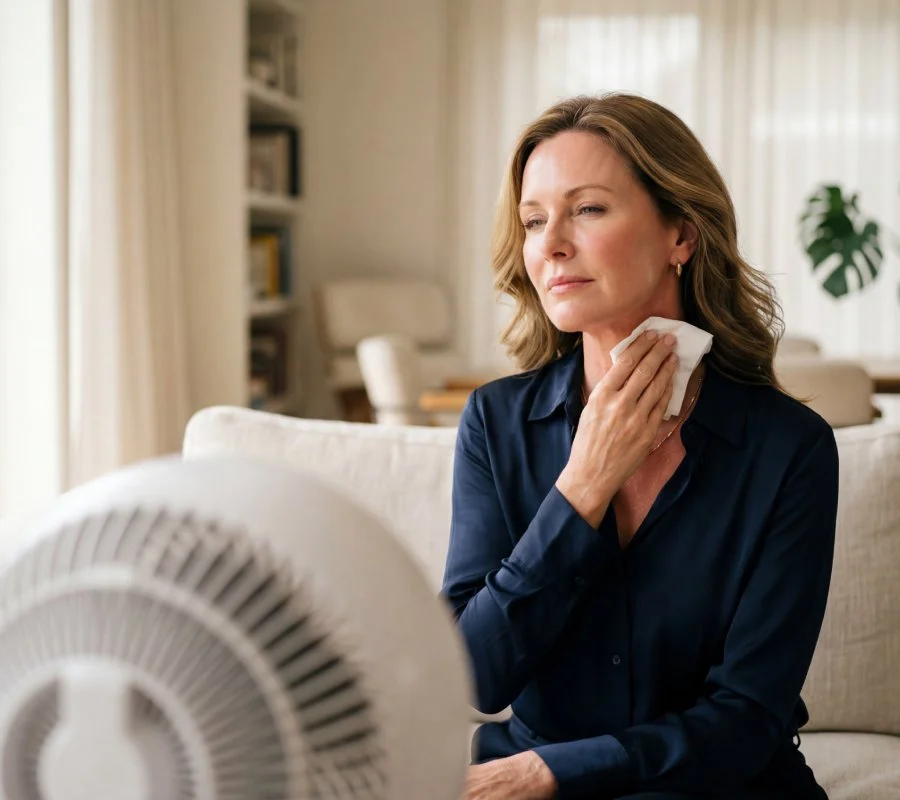
Perimenopause Is the Transition Before Menopause
Perimenopause is the stage when the body begins transitioning toward menopause. Rather than changing in a straight line, hormone levels can rise and fall as ovarian function gradually changes.
- Estrogen and progesterone may fluctuate from one menstrual cycle to the next.
- Changes in ovulation can make the timing and flow of a menstrual period less consistent.
- Perimenopause often begins in the 40s, but the starting point and how long perimenopause lasts differ from woman to woman.
- A woman has reached menopause after 12 consecutive months without a menstrual period, provided there is no other medical cause.
Menopause Marks a New Reproductive Stage
Menopause begins a new stage of women’s health, not simply the end of menstrual periods. Natural menopause is confirmed after 12 consecutive months without a period when another medical cause does not explain the change.
- The ovaries stop regularly releasing eggs, and estrogen levels remain lower than during the reproductive years.
- Menopause symptoms can persist after the final period.
- Lower estrogen levels can affect bone health and may influence cardiovascular health over time.
Ongoing care can therefore address both menopausal symptoms and health considerations that become more relevant after menopause.

Common Perimenopause & Menopause Symptoms
Perimenopause and menopause symptoms can differ in type and intensity. Common changes include:
- Menstrual changes: Irregular periods, skipped periods, or changes in bleeding patterns.
- Hot flashes and night sweats: Sudden feelings of heat or nighttime sweating that may also disrupt sleep.
- Sleep problems: Difficulty falling asleep, staying asleep, or feeling rested.
- Vaginal and sexual changes: Vaginal dryness, discomfort, or changes in libido.
- Cognitive changes: Brain fog, forgetfulness, or difficulty concentrating.
- Emotional symptoms: Mood changes, increased irritability, anxiety, or mood swings.
- Body changes: Weight gain or shifts in body composition.
The Hormonal Changes Behind the Transition
The menopause transition changes how the ovaries produce estrogen and progesterone. These changes happen differently across perimenopause and menopause:
Before the Transition
Estrogen and progesterone generally follow more predictable patterns across the menstrual cycle, supporting regular ovulation and menstrual periods.
During the Transition
Estrogen and progesterone can fluctuate considerably as ovulation becomes less consistent. Because hormone levels may change from cycle to cycle, a single measurement may not show the full pattern.
After the Transition
Ovarian production of estrogen and progesterone remains substantially lower, creating a more stable hormonal pattern than during the transition.
A Personalized Approach to Menopause Evaluation
Evaluation focuses on whether changes fit the expected menopause transition or suggest another health concern. Areas to consider include:
- Menstrual history: Changes in the menstrual cycle, including irregular periods and when they began.
- Symptom pattern: The timing, frequency, and impact of concerns.
- Health background: Medical and family history, including thyroid disease and other health conditions.
- Medication use: Current medications, birth control, supplements, or hormone therapy.
- Targeted testing: Blood tests or hormone testing may be used when results can clarify a specific concern or help rule out another condition.
Individualized Menopause Treatment
Treatment is based on the symptoms affecting you most, your health history, and which options are appropriate for your needs and preferences.
Symptom-Specific Treatment
Care can target concerns such as hot flashes, night sweats, sleep problems, or mood changes instead of treating hormone levels alone.
Hormone Therapy
Hormone therapy, including hormone replacement therapy, may be considered after weighing expected benefits, individual health risks, and treatment preferences.
Vaginal & Genitourinary Care
For vaginal dryness, discomfort, or urinary symptoms, treatment may include vaginal moisturizers, lubricants, or local therapies when clinically appropriate.
Nonhormonal Treatment
When menopausal hormone therapy is not appropriate or preferred, nonhormonal medications and other targeted approaches may help manage symptoms based on the specific concern being treated.
Health Support Beyond Symptoms
Lifestyle support cannot prevent menopause, but it can help protect areas that become increasingly important as estrogen levels decline.
- Resistance and weight-bearing exercise preserve muscle mass, strength, and bone health.
- Adequate protein, calcium, vitamin D, and a balanced diet support skeletal and metabolic health.
- Consistent sleep habits and stress management can support recovery, mood, and daily functioning.
- Maintaining a healthy weight and monitoring blood pressure, cholesterol, and blood sugar can help address cardiovascular health risks.
- Limiting alcohol and avoiding tobacco can further support bone, heart, and overall women’s health.

Care That Looks Beyond Hormone Levels
Menopause care at Internal Healing & Wellness MD considers hormone levels alongside the broader health changes that can accompany this stage.
- Physician-led: Board-certified medical oversight throughout care.
- Whole-health perspective: Hormonal, thyroid, metabolic, and cardiovascular factors considered together.
- Purposeful testing: Diagnostics selected based on clinical need.
- Personalized treatment: Hormone therapy and nonhormonal options tailored to individual findings and risks.
- Connected care: Specialist collaboration when additional expertise is appropriate.
A Physician Experienced in Hormonal Health
Dr. Khan brings internal medicine and functional medicine training to care during the menopause transition, when hormonal changes may intersect with broader health considerations.
- Board Certified in internal medicine, supporting a broad medical perspective when evaluating health concerns during this stage.
- IFM Certified Practitioner (IFMCP), with advanced IFM coursework in hormone and cardiometabolic health.
- Practicing medicine since 2011, with experience at Cleveland Clinic, Baylor St. Luke’s Medical Center, and Memorial Hermann.
These credentials inform a physician-led approach to evaluating symptoms and considering appropriate hormone therapy, nonhormonal options, and broader health needs.
Get the Right Approach to Perimenopause and Menopause Care
Changes during the menopause transition do not always call for the same response. A consultation can help clarify which concerns need attention and whether hormone therapy, nonhormonal care, or other treatment options are appropriate based on the clinical picture.
Disclaimer: This content is for informational purposes only and is not a substitute for medical advice, diagnosis, or treatment. Consultation with a qualified healthcare professional is recommended to determine appropriate care based on individual health needs.
Frequently Asked Questions
Yes. Ovulation may become less predictable during perimenopause, but it can still occur. Until menopause is reached, it remains possible to get pregnant during perimenopause, even when menstrual periods have become irregular.
The length of the menopause transition varies considerably. Perimenopause may last several years, and changes in the menstrual cycle can occur at different points along the way. There is no single timeline that applies to every woman.
No. Hot flashes are common menopause symptoms, but they can occur during perimenopause and may have other causes. Their presence alone does not establish that a woman has reached menopause.
No. Hormone therapy, including hormone replacement therapy, is not appropriate for everyone. Suitability depends on factors such as symptoms, age, medical history, timing relative to menopause, and individual health risks, including certain risks related to blood clots and cardiovascular disease.
Yes. Even when menopausal symptoms become less noticeable, lower estrogen levels and aging can influence longer-term bone health and cardiovascular health. Ongoing preventive care remains relevant beyond symptom management.
References
Hill, K. (1996). The demography of menopause. Maturitas, 23(2), 113–127. https://doi.org/10.1016/0378-5122(95)00968-x
Nash, Z., Al-Wattar, B. H., & Davies, M. (2022). Bone and heart health in menopause. Best Practice & Research Clinical Obstetrics & Gynaecology, 81, 61–68. https://doi.org/10.1016/j.bpobgyn.2022.03.002
Santoro, N. (2016). Perimenopause: From research to practice. Journal of Women’s Health, 25(4), 332–339. https://doi.org/10.1089/jwh.2015.5556
The North American Menopause Society. (2023). The 2023 nonhormone therapy position statement of The North American Menopause Society. Menopause, 30(6), 573–590. https://doi.org/10.1097/GME.0000000000002200
Stay Informed on the Latest Health & Wellness Tips
Subscribe to our newsletter and receive regular updates on integrative approaches to health, the latest research, and wellness tips from our experts.
Enter your email address below to stay connected:
Book Your Consultation Today
During your first 60-minute functional televisit, we will try to figure out what’s causing your current health problems. Contact us today at Internal Healing and Wellness MD in the Houston area and The Woodlands, we will make sure to provide you with a personalized functional medicine-based treatment plan so that you can begin working towards your goal of a better, healthier life.
Start Your Holistic Wellness Journey Today
In search of a functional medicine doctor in The Woodlands? Dr. Khan and his experienced team are at your service, ready to help you make life-changing strides toward your health and wellness goals.
Give us a call
Our Location
255 Ed English Dr Suite A
Shenandoah, TX 77385
Our Schedule
Monday - Friday : 8 AM – 5 PM
Get In Touch
For functional medicine inquiries, contact our experienced functional medicine doctors. We take a holistic approach to improving health and well-being.