


Medically Reviewed By: Dr. Imran Khan, MD, IFMCP
Published: October 09, 2026
A Different Phase of Cancer Recovery
Life after cancer treatment can bring relief, fewer appointments, and more space to return to familiar routines. Yet fatigue, digestive problems, neuropathy, poor sleep, hormone concerns, or reduced strength can make recovery more complex than expected.
To help survivors navigate this transition, Internal Healing & Wellness MD provides functional medicine services after cancer treatment as part of a coordinated survivorship plan, connecting whole-body recovery with continued oncology care.
Disclaimer: This information is for educational purposes only and is not intended as medical advice. It does not replace, delay, or substitute standard oncology care, screening, diagnosis, or treatment recommended by your oncology team.
A Whole-Body Map for Cancer Recovery
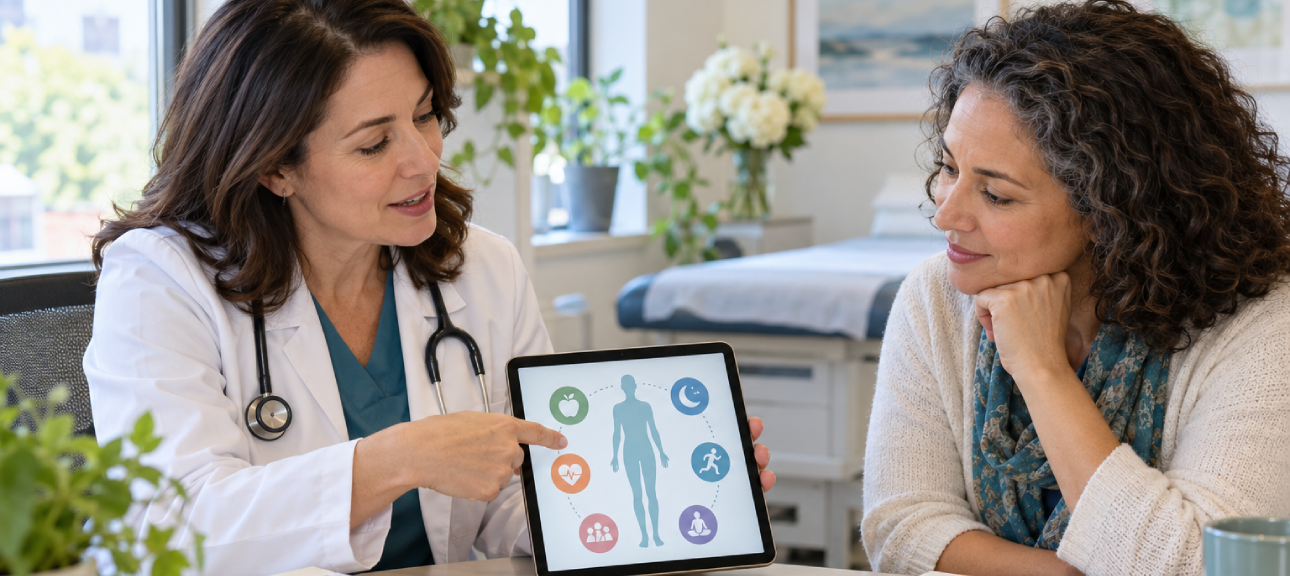
Functional medicine for cancer survivors examines how treatment history, symptoms, nutrition, metabolism, sleep, and movement may interact after treatment ends. This broader view complements survivorship planning, which the National Cancer Institute recommends should account for treatment history, late effects, and ongoing physical or emotional concerns.
A functional medicine oncology review may cover:
- Treatment History: Surgery, chemotherapy, radiation, immunotherapy, hormone therapy, and maintenance medications
- Nutrition: Appetite, weight, muscle loss, food tolerance, hydration, and possible deficiencies
- Digestive Health: Bowel changes, reflux, absorption concerns, and treatment-related discomfort
- Metabolic Health: Glucose, cholesterol, blood pressure, and body composition
- Hormone Health: Changes following surgery or hormone-directed treatment
- Daily Function: Sleep, stress, movement, fatigue, and emotional well-being
Finding What May Be Slowing Recovery
Functional medicine looks for contributing factors that may prolong symptoms or limit daily function after cancer treatment. It does not claim to identify a single root cause of cancer or to guarantee prevention of recurrence.
A recovery review may look for factors such as:
- Poor calorie or protein intake
- Anemia or unresolved blood-count changes
- Sleep disruption or emotional distress
- Thyroid or hormone-related concerns
- Medication effects
- Reduced strength after inactivity
- Diabetes or another chronic condition
These factors may affect energy, strength, healing, or everyday activity. Findings guide appropriate nutrition support, lifestyle changes, testing, or referrals. New or worsening symptoms still require medical evaluation.
Personalized Support for Lasting Effects
A breast cancer survivor taking hormone therapy may experience joint discomfort, sleep disruption, menopausal symptoms, or bone concerns. Other late effects of cancer treatment may persist or appear later.
When rebuilding health after chemotherapy, functional medicine cancer recovery may address:
- Fatigue and Cognition: Reviews sleep, nutrition, anemia, and medications.
- Digestive Changes: Adjusts food intake and hydration in response to ongoing symptoms.
- Neuropathy and Weakness: Supports safe movement or rehabilitation.
- Hormone-Related Effects: Considers bone, metabolic, mood, and sexual health.
- Weight and Muscle Changes: Personalizes nutrition and activity goals.
Support should reflect the patient’s cancer, treatment history, symptoms, and recovery needs.
Rebuilding Immune Health With Clinical Context
After cancer treatment, patients may be unsure whether their immune defenses have recovered or which precautions still apply. Functional medicine may help them make informed decisions based on treatment history, current symptoms, and clinical findings, rather than on general immune boosters. Support may help patients:
- Understand Recovery: Relate immune concerns to the treatment received and time since completion.
- Follow Blood-Count Trends: Review changes in line with the oncology plan.
- Adjust Precautions: Learn when infection safeguards remain appropriate.
- Plan Vaccinations: Coordinate timing with oncology or primary care.
- Avoid Risky Products: Identify unnecessary supplements or medication conflicts.
- Reach the Right Specialist: Seek further care for infections or abnormal results.
Functional medicine can provide structure for immune support after cancer treatment, but it cannot force blood cell recovery. New symptoms, repeated infections, or abnormal results require medical evaluation.
Supporting Long-Term Health After Cancer
For survivors interested in recovering from cancer naturally, the safer focus is on sustainable actions supported by their diagnosis and health history. Functional medicine after cancer treatment can turn evidence-based guidance into realistic steps without relying on restrictive diets, detox programs, or unproven products.
The American Cancer Society’s survivorship guidance emphasizes nutrition, physical activity, body weight, and alcohol. A personalized plan may translate these priorities and broader health needs into:
- Plant-Forward Meals: Emphasize vegetables, whole grains, and plant-based proteins.
- Safe Weight Goals: Consider recovery needs and body composition.
- Gradual Activity: Add cardiovascular and strength exercise safely.
- Risk Reduction: Avoid tobacco and discuss alcohol use.
- Metabolic Care: Manage glucose, blood pressure, and cholesterol.
- Continued Monitoring: Attend recommended screening and oncology visits.
These actions may support long-term health and influence recurrence risk for certain cancers. They cannot guarantee that cancer will not return or require cancer-specific monitoring.
Testing With a Defined Purpose
After treatment, patients may consider testing to understand persistent symptoms or changes in nutrition, metabolism, hormones, or bone health. Functional medicine for cancer survivors should consider testing only when the results could clarify a concern or change the recovery plan.
Cancer-focused tests serve different needs:
- Standard Surveillance: Patients should continue oncology-directed imaging and tumor marker testing as appropriate for their cancer.
- RGCC Testing: Patients may review circulating tumor cell panels as supplemental information, but the results cannot confirm recurrence or replace standard surveillance.
- Chemo-Sensitivity Testing: A chemosensitivity assay measures how tumor cells respond to specific drugs in vitro. It may be discussed if future treatment decisions arise, not as routine recovery testing.
Each test should answer a clear question based on the patient’s diagnosis and symptoms. Results should be interpreted alongside imaging, biopsy when indicated, and oncology follow-up.
Take a More Intentional Approach to Survivorship
Cancer survivorship can leave patients with symptoms and health questions that no longer fit neatly into an active treatment visit. A structured recovery plan can turn those concerns into practical priorities.
Internal Healing & Wellness MD provides integrative medicine for cancer survivorship throughout The Woodlands, Shenandoah, Houston, and the Greater Houston area. We help patients develop personalized next steps based on their current health.
Schedule a functional medicine cancer recovery consultation today to create a plan around your survivorship goals.
Frequently Asked Questions
No. Oncology follow-up includes cancer-specific surveillance and monitoring for treatment complications. Functional medicine may address nutrition, metabolic health, persistent symptoms, and daily function while remaining coordinated with oncology care.
Yes, when coordinated with the treating clinician. Survivors taking hormone therapy, targeted therapy, immunotherapy, or another maintenance medication need supplements and other recommendations reviewed for treatment compatibility.
Progress may be tracked through symptoms, strength, nutrition, sleep, daily function, body composition, and clinically appropriate laboratory results. The measures should reflect the patient’s concerns and recovery goals.
It may help address persistent or late health concerns years after treatment. New symptoms should be evaluated medically first rather than assumed to result from prior cancer care.
No. Testing should be selected only when the results could clarify a concern or change the recovery plan. Existing oncology and primary-care records may already provide much of the information needed.
References
- National Cancer Institute. (2024, December 2). Follow-up medical care. https://www.cancer.gov/about-cancer/coping/survivorship/follow-up-care
- American Cancer Society. (2022). American Cancer Society guideline for diet and physical activity for cancer survivors. https://www.cancer.org/cancer/supportive-care/nutrition-activity-with-cancer/acs-nutrition-and-physical-activity-guideline-for-survivors.html
- Bower JE, Lacchetti C, Alici Y, et al. (2024). Management of fatigue in adult survivors of cancer: ASCO-Society for Integrative Oncology guideline update. Journal of Clinical Oncology. https://doi.org/10.1200/JCO.24.00541
- Runowicz CD, Leach CR, Henry NL, et al. (2016). American Cancer Society/American Society of Clinical Oncology breast cancer survivorship care guideline. Journal of Clinical Oncology, 34(6), 611–635. https://doi.org/10.1200/JCO.2015.64.3809


