Navigating a Pancreatic Cancer Diagnosis
Pancreatic cancer can be difficult to navigate because it is often found after symptoms have already affected digestion, weight, blood sugar, or strength. Patients may be trying to understand treatment options while also managing changes that make daily care harder.
Internal Healing & Wellness MD helps pancreatic cancer patients review supportive needs through functional medicine and integrative guidance. Every recommendation is shaped around the treatment stage, symptoms, labs, and goals, while conventional oncology care remains central.

Disclaimer: This information is for educational purposes only and is not intended as medical advice. It does not replace, delay, or substitute standard oncology care, screening, diagnosis, or treatment recommended by your oncology team.
Medically reviewed by Dr. Imran Khan, MD, IFMCP | Last medically reviewed: October 15, 2026

How Pancreatic Cancer Can Affect the Body
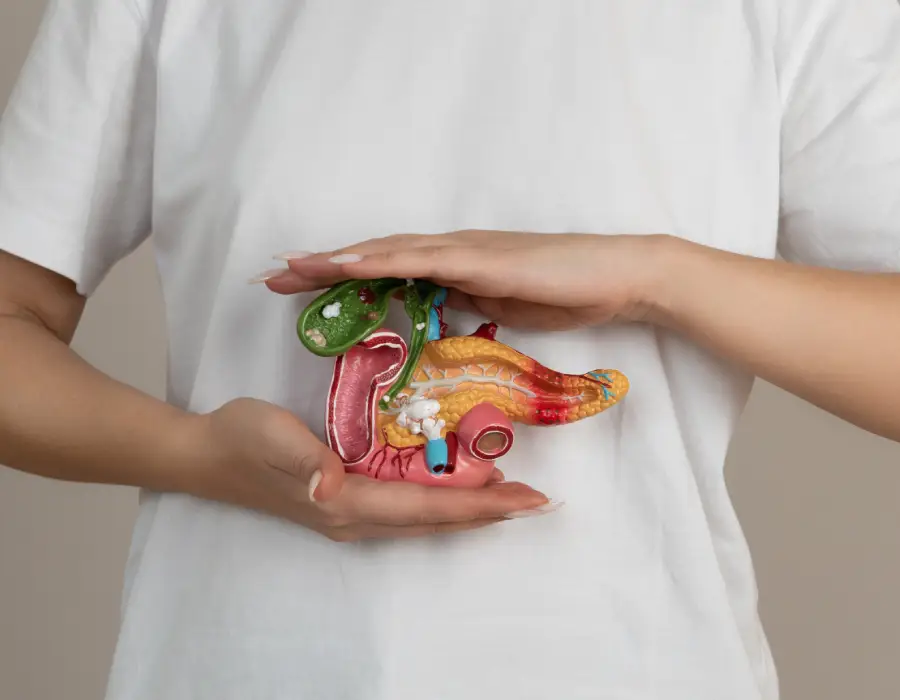
The pancreas helps produce digestive enzymes and regulate blood sugar through insulin. When pancreatic cancer or its treatment affects these functions, patients may face challenges with nutrition, digestion, glucose levels, and strength.
Patients may experience:
- Digestive disruption: Enzyme insufficiency may reduce fat and nutrient absorption, leading to bloating, loose stools, or greasy stools.
- Blood sugar changes: Changes in pancreatic function may make glucose patterns harder to manage.
- Weight loss: Poor absorption, reduced appetite, or cancer-related metabolic changes may affect strength.
- Pain and fatigue: Tumor location or treatment effects may contribute to discomfort and low energy.
- Bile duct involvement: Pressure near the bile duct may lead to jaundice, dark urine, pale stools, or itching.
- Emotional burden: A difficult diagnosis and uncertain next steps may increase stress, affect sleep, and strain coping.
Complementary Options for Pancreatic Cancer Care
Patients searching for holistic cancer treatment, natural support options, or alternative approaches often need help sorting safe options from risky claims. Complementary care should be reviewed alongside the oncology plan and should not replace conventional treatment, in ways such as:
- Supplement safety review: Nutrients, herbs, and products are assessed for potential interactions with pancreatic cancer treatment.
- Functional medicine review: Labs, digestion, glucose patterns, and inflammation-related concerns are reviewed to guide supportive care.
- Recovery planning: Fatigue, appetite loss, digestive discomfort, and strength needs are reviewed as part of care.
- High-dose IV vitamin C discussion: This may be reviewed based on treatment status, goals, and safety considerations, but evidence remains limited.
- Mistletoe therapy discussion: This may be discussed based on individual goals and clinical context, though evidence remains mixed and should be interpreted cautiously.
Nutrition and Metabolic Support
Pancreatic cancer can make eating, absorption, weight maintenance, and blood sugar balance harder to manage. Our nutrition and metabolic cancer support may address:
- Digestive and absorption needs: Food choices are adjusted around fat tolerance, enzyme concerns, and nutrient absorption.
- Blood sugar balance: Eating patterns are reviewed to support stable blood glucose without restricting needed calories.
- Weight and strength maintenance: Protein and calorie strategies are prioritized when appetite or absorption is limited.
- Balanced food patterns: Meals are shaped to support overall nourishment during treatment and recovery.
- Lab-guided adjustments: Nutrient levels are reviewed to identify deficiencies that may affect energy, immunity, or healing.
This support focuses on glucose patterns, nutritional status, labs, and dietary strategies alongside the treatment and oncology plan.

Immune Health and Emotional Well-Being Support
Pancreatic cancer care can place pressure on the body and mind at the same time. Nutrition status, digestive function, treatment demands, stress, sleep, and pain can all affect how patients feel during care.
We may focus on:
- Gut health and absorption: Digestive function is reviewed because nutrient absorption can affect strength and immune health.
- Inflammation-related review: Labs, symptoms, and lifestyle factors are considered when planning supportive care.
- Emotional resilience: Mind-body practices may help patients manage anxiety and uncertainty.
- Sleep and pain support: Relaxation-based approaches may help establish steadier routines during periods of discomfort or poor sleep.
Pancreatic Cancer Support Guided by Experience
Navigating pancreatic cancer requires more than a standard wellness plan. Our integrative oncology approach addresses the metabolic, nutritional, and whole-body demands specific to patients with pancreatic cancer.
Patients working with our team can expect:
Internal Medicine Experience
15+ years supporting complex health needs.
Functional Medicine Review
Digestion, blood sugar, inflammation-related concerns, and nutrient status are reviewed together.
Metabolic and Nutrition Support
Guidance is tailored to pancreatic cancer's digestive and glucose challenges.
Supplement Safety Review
Products are reviewed around current pancreatic cancer treatment protocols.
Personalized Care Planning
Support is tailored to the diagnosis, treatment stage, symptoms, and recovery goals.
Local Access
Care is available across The Woodlands, Shenandoah, Houston, and Greater Houston.
Get Structured Support for Pancreatic Cancer Care
Pancreatic cancer care can leave patients managing nutrition, digestion, blood sugar, strength, and comfort between oncology visits. At Internal Healing & Wellness MD, we organize those concerns into personalized cancer support tailored to the treatment stage and goals.
Start with guidance for your metabolic concerns, nutritional needs, and supportive care priorities.
Frequently Asked Questions
No. Integrative pancreatic cancer support does not replace surgery, chemotherapy, radiation, targeted therapy, clinical trials, palliative oncology, or other medical treatment. It focuses on nutrition, symptom support, supplement safety, metabolic health, and quality-of-life needs alongside the oncology plan.
Metabolic support focuses on nutrition status, blood sugar patterns, weight changes, digestion, and lab-guided needs. It is not a replacement for pancreatic cancer treatment.
Yes. For patients who cannot tolerate standard chemotherapy, integrative support may focus on nutrition, metabolic health, immune support, comfort, and quality of life alongside palliative oncology guidance.
Pancreatic cancer can affect insulin production and glucose patterns. Nutrition and metabolic support may help patients review these patterns alongside oncology care and any diabetes management already in place.
Mistletoe therapy for pancreatic cancer may be discussed in some integrative oncology settings, but evidence remains mixed and should be reviewed carefully. It should not replace conventional treatment or be started without medical and oncology guidance.
Yes. After treatment, support may shift toward rebuilding digestive function, stabilizing blood sugar, addressing nutrient deficiencies, and planning long-term metabolic and nutritional wellness alongside continued oncology follow-up.
References
- Vella, R., Giardino, A., Pizzocaro, E., Frigerio, I., Bannone, E., Vieni, S., & Butturini, G. (2025). Unconventional treatments for pancreatic cancer: A systematic review. Cancers, 17(9), 1437. https://pmc.ncbi.nlm.nih.gov/articles/PMC12071172/
- China Anti-Cancer Association Committee of Pancreatic Cancer, & Yu, X. (2024). Guidelines for holistic integrative management of pancreatic cancer. Holistic Integrative Oncology, 3, 35. https://link.springer.com/article/10.1007/s44178-024-00097-6
- Chakraborty, A., & Tsokos, C. P. (2021). A modern approach of survival analysis of patients with pancreatic cancer. American Journal of Cancer Research, 11(10), 4725–4745. https://pmc.ncbi.nlm.nih.gov/articles/PMC8569348/