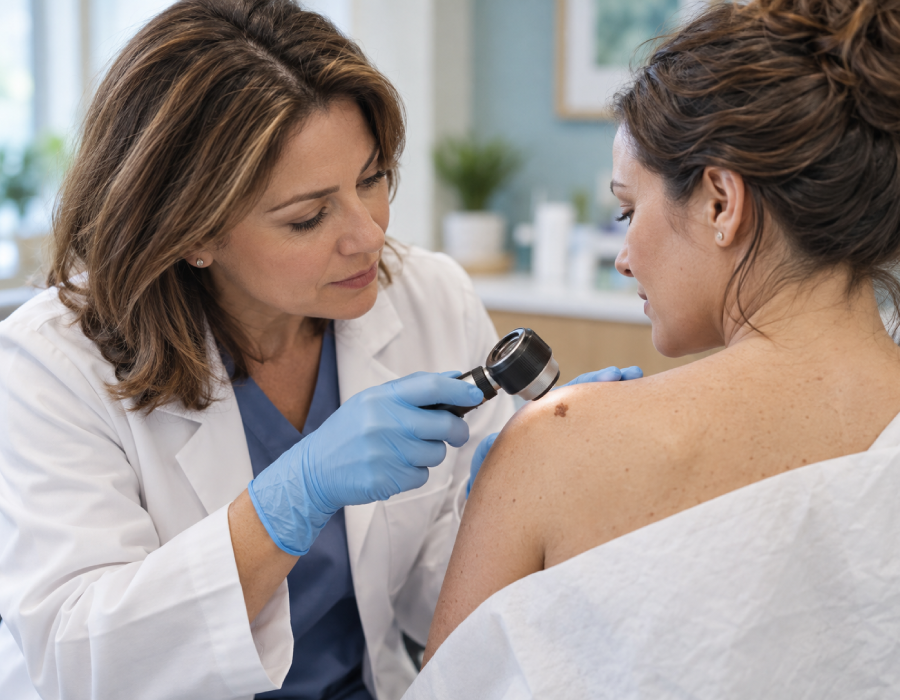
A Whole-Person Approach to Melanoma Care
A melanoma diagnosis can bring stress around skin changes, biopsy results, recurrence risk, and long-term follow-up. Even after a lesion is removed, patients may still have questions about nutrition, immune health, recovery, and emotional well-being.
At Internal Healing & Wellness MD, personalized cancer support draws on functional medicine and an integrative oncology approach to help melanoma patients address those needs while their oncology and dermatology care remain present.

Disclaimer: This information is for educational purposes only and is not intended as medical advice. It does not replace, delay, or substitute standard oncology care, screening, diagnosis, or treatment recommended by your oncology team.
Medically reviewed by Dr. Imran Khan, MD, IFMCP | Last medically reviewed: October 15, 2026
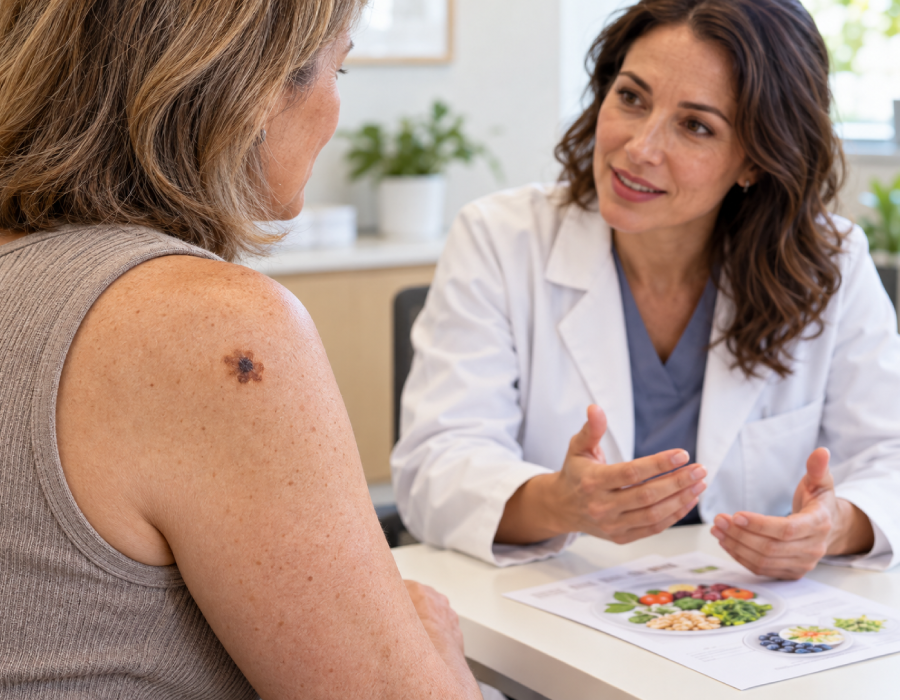
How Melanoma Can Affect Daily Care
Melanoma begins in melanocytes, the cells that make skin pigment. While it often starts on the skin, melanoma care may involve surgery, immunotherapy, targeted therapy, or ongoing surveillance depending on the stage and treatment plan.
Patients may need support for:
- Skin and surgical sites: Healing after lesion removal, biopsy, or surgery may need ongoing support.
- Immunotherapy response: Checkpoint inhibitor therapy may bring fatigue, rash, diarrhea, joint pain, or inflammation-related concerns.
- Digestive function: Some immunotherapy effects may include diarrhea, abdominal pain, or colitis, which may require prompt medical review.
- Energy and daily function: Fatigue during or after treatment may affect activity, strength, and quality of life.
- Emotional health: Recurrence concerns, skin checks, and long-term surveillance may create ongoing stress.
Nutrition for Melanoma Care Needs
Our melanoma nutrition guidance addresses food, hydration, digestion, and supplement questions that may arise during active treatment or long-term monitoring. Recommendations are tailored to appetite changes, digestive symptoms, fatigue, healing needs, lab results, and the oncology plan, including:
- Protein and calorie planning: Helps maintain strength, skin healing, and energy when appetite changes.
- Gut tolerance review: Adjusts meals around diarrhea, nausea, or bowel changes.
- Hydration support: Helps address fluid needs during fatigue, poor intake, or treatment-related changes.
- Micronutrient review: Checks nutrient gaps that may affect energy, immune health, or healing.
- Supplement safety review: Reviews vitamins, herbs, and antioxidants for concerns with cancer treatment or medications.
Complementary Options for Melanoma Care
Complementary options can be confusing for melanoma patients, especially when determining what fits their current treatment plan. We help review these choices, which may include:
- IV nutrient therapy review: Considered when hydration, intake, or nutrient status needs closer support.
- Supplement and herb safety: Checks products that may raise concerns during melanoma care.
- Functional medicine review: Connects labs, digestion, skin healing, and treatment-related symptoms.
- Lifestyle guidance: Supports sun safety, movement, sleep, and recovery routines.
- Mind-body support: Addresses stress, recurrent worry, and scan-related anxiety.
These options are supportive and do not replace oncology treatment.
Emotional Support Between Skin Checks
Waiting for scan results, watching a new spot, or returning for another full-body skin exam can keep melanoma patients on edge. We help patients build routines that support calmer monitoring, treatment recovery, and day-to-day resilience, including:
- Scan-and-skin-check stress: Mindfulness or grounding practices may help manage worry before follow-up visits.
- Recurrence concerns: Coping tools can support patients who feel anxious about new moles, changing lesions, or surveillance results.
- Sleep disruption: Relaxation routines may help when treatment stress or monitoring anxiety affects rest.
- Treatment fatigue: Gentle movement and pacing strategies may support energy during immunotherapy, targeted therapy, or recovery.

Personalized Guidance for Melanoma Patients
Integrative melanoma treatment support can help patients make safer, more organized choices alongside conventional skin cancer care. This guidance may benefit patients by helping them:
- Review holistic or natural support options before adding new therapies.
- Coordinate nutrition guidance with the current care plan.
- Evaluate complementary therapies for safety and clinical fit.
- Support immune health through labs, nutrition, and recovery planning.
- Connect whole-person support with monitoring and survivorship needs.
A Clinical Lens for Melanoma Care
Having the right clinical team can make it easier to navigate melanoma care and changing needs. We keep oncology care central while providing medically informed, personalized guidance.
Internal Medicine Background
15+ years of physician-led experience supporting complex health needs.
Treatment-Aware Guidance
Integrative therapy for melanoma is planned around active care.
Functional Medicine Lens
Nutrition, gut health, immune patterns, and recovery needs are reviewed together.
Supplement Review
Herbs, vitamins, and products are checked for use in immunotherapy or targeted therapy.
Every Day Support
Fatigue, sleep, recurring worry, and daily routines are addressed.
Local Care Access
Support is available in The Woodlands, Shenandoah, Houston, and the Greater Houston area.
Support Your Melanoma Care With Medical Guidance
Melanoma care often continues between oncology visits, skin checks, and follow-up testing. At Internal Healing & Wellness MD, we connect nutrition, supplement safety, recovery, and daily wellness strategies to each patient’s goals.
Talk with our team about your symptoms, current care needs, and wellness goals.
Frequently Asked Questions
Yes. Integrative melanoma support can be coordinated around immunotherapy, targeted therapy, surgery, or monitoring. The goal is to support nutrition, supplement safety, energy, and daily functioning while oncology care remains central.
Balanced meals, movement, sleep routines, hydration, and sun safety may support overall well-being. Recommendations should match the patient’s symptoms, treatment plan, and follow-up needs.
Some herbs, vitamins, or antioxidants may raise concerns with melanoma treatment or other medications, so products should be reviewed with the oncology team before use.
Fatigue may be affected by treatment, sleep, nutrition, stress, or activity level. Support may include guidance on pacing, sleep habits, hydration, and nutrition, with medical evaluation if fatigue changes or worsens.
Ask about food choices, supplement safety, treatment-related symptoms, skin-check stress, and daily routines. It can also help to discuss how support can fit with oncology and dermatology follow-up.
Yes. After treatment, support may focus on energy, nutrition, stress, sun-safety habits, skin-check planning, and survivorship goals. Continued dermatology and oncology follow-up remains important.
References
- National Cancer Institute. (2024). Advances in melanoma and other skin cancers research. https://www.cancer.gov/types/skin/research
- National Cancer Institute. (2023). Side effects of immunotherapy. https://www.cancer.gov/about-cancer/treatment/types/immunotherapy/side-effects
- Johnston, L., Starkey, S., Mukovozov, I., Robertson, L., Petrella, T., & Alhusayen, R. (2023). Surveillance after a previous cutaneous melanoma diagnosis: A scoping review of melanoma follow-up guidelines. Journal of Cutaneous Medicine and Surgery, 27(5), 516–525. https://pmc.ncbi.nlm.nih.gov/articles/PMC10617001/