Understanding Targeted Molecular Cancer Therapy
Targeted molecular cancer therapy focuses on specific features of cancer cells rather than affecting many cells throughout the body. These approaches study signals that influence how tumors grow and respond to treatment.
At Internal Healing and Wellness MD, patients may learn how personalized cancer care approaches study tumor behavior to support informed discussions alongside their existing cancer treatment plan.
Disclaimer: This content is for informational purposes only and does not replace medical advice. Patients should consult a qualified healthcare provider when making decisions about cancer care or treatment options.
How Targeted Therapy Is Used in Cancer Care
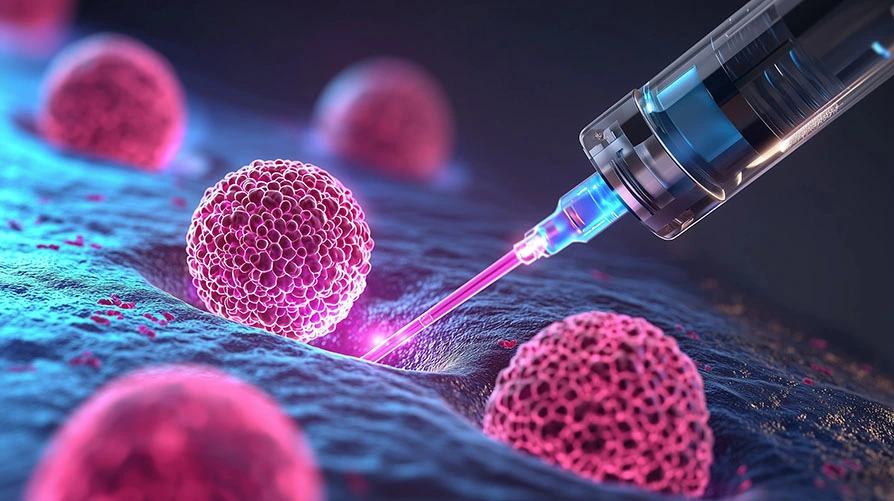
Targeted therapy is used to treat different cancers based on tumor biology and molecular signals. Common examples include lung cancer, breast cancer, colorectal cancer, kidney cancer, and certain blood cancers.
Each cancer type behaves differently, which is why treatment plans are often personalized. Doctors may recommend targeted therapy alongside other cancer treatments depending on the patient’s condition.
How Targeted Therapy Works
Targeted therapy focuses on proteins or signals that help cancer cells grow. These signals may appear on the cell surface or inside the cell.
Targeted therapy drugs may work by:
- blocking signals that allow cancer cells to grow
- slowing or stopping tumor growth
- preventing tumors from forming new blood vessels
- helping the immune system recognize abnormal cells
These approaches aim to interfere with processes that support cancer growth.
Types of Targeted Therapy
There are different types of targeted therapy used in cancer treatment. These therapies interact with specific proteins or molecular targets linked to tumor growth.
Common examples include:
- monoclonal antibodies that attach to cancer cells
- small molecule drugs that enter cancer cells
- drugs that target proteins linked to tumor growth
Some targeted therapies include:
- Epidermal Growth Factor Receptor inhibitors (EGFR inhibitors)
- B-Raf Proto-Oncogene Serine/Threonine Kinase inhibitors (BRAF inhibitors)
- Mitogen-Activated Protein Kinase Kinase inhibitors (MEK inhibitors)
- Poly (ADP-Ribose) Polymerase inhibitors (PARP inhibitors)
These therapies are used depending on the molecular targets involved.
How QEstrain Therapy Is Designed
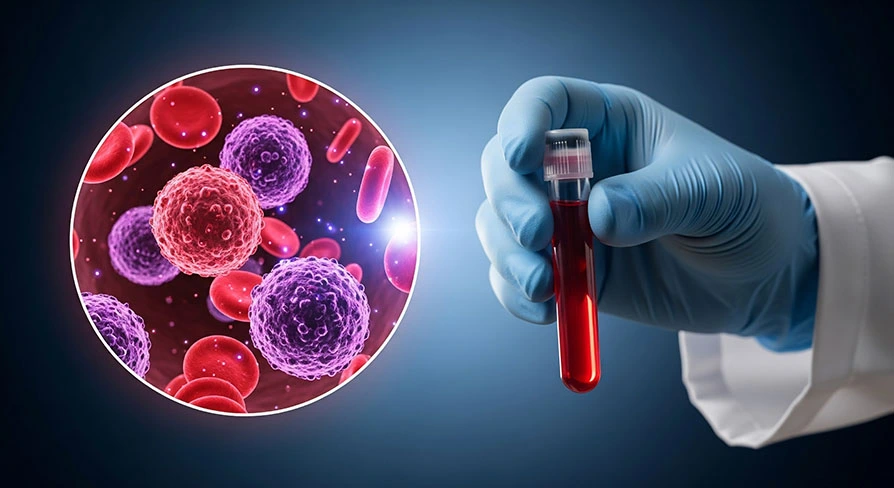
QEstrain therapy is developed using laboratory testing that studies cancer-related signals from a patient’s blood sample. This approach uses small molecular sequences designed to interact with specific gene signals involved in tumor activity.
Because the therapy is derived from the patient’s own blood, it is considered an autologous and personalized approach. These findings may help guide discussions about potential treatment considerations.
How QEstrain Therapy Is Intended to Work
QEstrain therapy is designed to interact with molecular signals that influence how cancer cells grow and survive. These signals may involve messenger RNA (mRNA) pathways that are linked to protein production within cancer cells.
By targeting these signals, researchers explore whether these approaches may help limit the production of proteins that support tumor growth. This concept is based on known biological mechanisms, but continues to be studied.
Conditions Where QEstrain Therapy May Be Discussed
QEstrain therapy has been discussed in the context of different conditions within integrative oncology settings. These may include solid tumors across various types, hematologic malignancies such as leukemias, lymphomas, and myelomas, as well as other conditions discussed in integrative settings.
It has also been referenced in discussions involving viral infections and Lyme disease. Central nervous system (CNS) cancers are typically excluded from this approach.
What Patients Often Find Appealing
Some patients explore targeted cancer therapy because it focuses on the specific features of their cancer. Personalized approaches may help guide discussions about treatment options and testing.
Patients may be interested in:
- treatment designed around a specific cancer type
- therapies focused on cancer cells rather than healthy cells
- precision medicine approaches
- care plans developed with their cancer care team
What QEstrain Therapy Is Not
QEstrain therapy is investigational, and it is important to understand its limitations. It is not approved by the U.S. Food and Drug Administration. QEstrain therapy is:
- not traditional chemotherapy
- not radiation therapy
- not FDA approved
- not described as a cure for cancer
It is discussed within the context of ongoing cancer research and integrative oncology.
QEstrain Therapy Process
Patients interested in QEstrain therapy typically begin with an evaluation by a qualified practitioner or certified RGCC practitioner, which may include specialized testing.
The process generally includes:
1
Consultation
Review of diagnosis, medical history, and testing options with a certified practitioner.
2
Diagnostic Testing
RGCC-based testing, such as Oncotrace, may be used to analyze cancer-related signals.
3
Blood Sample Collection
A sample is collected for personalized laboratory analysis.
4
Therapy Development
A customized therapy is developed based on results, typically over 10–14 working days.
5
Administration and Follow-Up
Therapy is administered with ongoing monitoring and evaluation.
Current Evidence and Research Considerations
QEstrain therapy is part of an emerging area of cancer research, with limited published evidence available. Key considerations include:
- Limited research: Only a small number of preliminary PubMed-indexed studies are available, primarily from the same research group
- Early-stage data: Studies are small and largely uncontrolled, limiting clinical conclusions
- Evidence gap: The overall evidence base remains limited, and further research is needed to understand outcomes and long-term effectiveness
- Mechanism: The approach is based on known molecular biology but remains clinically unvalidated
- Clinical context: Often discussed within integrative oncology settings alongside standard cancer care
These considerations may help guide informed discussions with your care team.
Frequently Asked Questions
Targeted molecular cancer therapy focuses on specific proteins or signals that influence cancer cell growth.
Targeted therapy interacts with specific molecular targets in cancer cells, while chemotherapy affects many rapidly dividing cells.
Targeted therapy may be used for lung cancer, breast cancer, colorectal cancer, kidney cancer, and certain blood cancers.
Doctors may use blood tests, tumor analysis, or genetic testing to identify molecular targets linked to a patient’s cancer.
Targeted therapy may sometimes be used alongside other treatments recommended by a cancer care team.
Take the Next Step Today
Connect with the team at Internal Healing and Wellness MD to better understand your cancer care options. Consultations provide guidance on testing, treatment discussions, and how targeted approaches like QEstrain therapy may be explored alongside standard oncology care.