


Leaky Gut Basics: Intestinal Permeability and Your Health
Leaky gut, or increased intestinal permeability, occurs when the intestinal lining loses its ability to act as a selective filter.
Normally, tight junctions in the small intestine allow nutrients into the bloodstream while blocking harmful substances and pathogens. When these junctions loosen, unwanted particles "leak" through, potentially triggering chronic inflammation and systemic issues like chronic fatigue or brain fog.
Many clinicians view increased permeability as one piece of a larger picture. Understanding diet, stress, sleep, and microbiome patterns can help guide supportive steps that encourage natural barrier repair and overall resilience—not as a diagnosis, but as part of whole‑body wellness.
Disclaimer: This content is for informational purposes only and does not replace medical advice. Always consult a qualified healthcare provider before making health decisions.
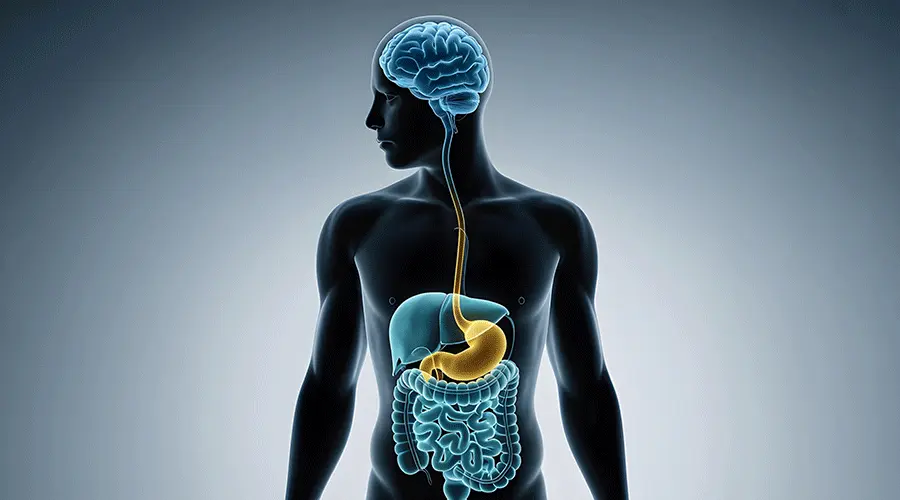
Factors That Can Disrupt Gut Barrier Function
Maintaining a healthy gut requires a balance of beneficial gut bacteria and a strong protective mucus layer. Unfortunately, several modern factors act as risk factors for leaky gut syndrome:
- Poor diet, high in processed foods and sugar.
- Chronic stress which negatively impacts the gut-brain axis.
- Frequent use of certain medications like Non-Steroidal Anti-Inflammatory Drugs (NSAIDs) or antibiotics.
- An overgrowth of harmful bacteria or bacterial infection.
Over time, these factors may alter gut microbiota composition, weaken tight junction proteins, and contribute to intestinal barrier dysfunction.
What Happens When Gut Permeability Increases
The intestinal wall consists of epithelial cells joined by tight junctions, creating a physical barrier reinforced by protective mucus. When these tight junction proteins loosen, the intestinal epithelial barrier loses its ability to filter effectively.
As intestinal permeability increases:
- Microbial Leakage: Undigested food particles, harmful bacteria, or toxic byproducts may slip through the gut wall and enter the bloodstream.
- Immune Sensitization: The immune system may become chronically activated as it encounters these foreign "intruders" in the Gastrointestinal (GI) tract.
- Systemic Spread: Chronic inflammation can migrate beyond the digestive system, potentially affecting everything from joint health to cognitive clarity.
This process doesn’t guarantee disease, but it may help explain why some people experience ongoing, seemingly unrelated symptoms without clear findings on routine blood tests.
The Gut–Immune–Inflammation Connection
The gut-immunity link is profound, as nearly 80% of your immune system resides in the digestive tract. When altered intestinal permeability persists, the resulting immune response often manifests as chronic inflammation.
This systemic fire can contribute to autoimmune disorders such as Celiac disease, Crohn's disease, and inflammatory bowel disease, in which the body loses its ability to distinguish between its own tissue and foreign invaders.
Why Leaky Gut Is Often Overlooked
Leaky gut does not show up as a standalone marker on standard lab panels. Many people are told their results look “normal” despite persistent symptoms such as bloating, chronic fatigue, food sensitivities, or uncomfortable GI symptoms.
It’s often missed because:
- Terminology gap: Leaky gut syndrome isn’t a formal diagnosis in conventional medicine, though the phenomenon of increased intestinal permeability is recognized. This can create confusion for patients.
- Testing limitations: There is no single blood test that “diagnoses” leaky gut. Research and clinical settings use tools like lactulose–mannitol sugar tests or tissue studies; some biomarkers (e.g., zonulin) are studied but remain controversial as stand‑alone diagnostics.
- Scattered symptoms: People may present with skin, joint, digestive, or mental health symptoms that seem unrelated, so patterns can go unnoticed until you examine the gastrointestinal tract holistically.
As a result, altered intestinal permeability may go unrecognized even when it’s contributing to ongoing health concerns.
Restoring Balance: Addressing Leaky Gut Holistically
Understanding leaky gut—or increased intestinal permeability—highlights why gut health is foundational to overall health. When the barrier weakens, it can contribute to widespread effects, but targeted support often brings meaningful improvements.
- In-depth functional consultations to review history, symptoms, and labs for root-cause mapping and custom plans.
- Advanced lab testing (e.g., zonulin, microbiome analysis, inflammation markers, nutrient panels) to identify specific imbalances.
- Tailored nutritional guidance that helps in removing irritants, emphasizing anti-inflammatory whole foods, fiber, and gut-supportive nutrients.
- Targeted supplementation such as probiotics/prebiotics, L-glutamine, zinc, or digestive supports, based on individual needs.
- Lifestyle optimization, such as stress reduction, sleep support, and movement to strengthen the gut-brain axis and lower inflammation.
Strengthening Your Gut Barrier for Better Long‑Term Health
Maintaining a healthy gut protects your mental health and immune resilience. By supporting your beneficial gut bacteria, you secure the gut-brain connection and promote long-term vitality.
At Internal Healing and Wellness MD, we provide the tools to heal leaky gut at the source. Our holistic protocols are designed to restore your intestinal lining and return your body to a state of balance.
Disclaimer: This content is for informational purposes only and does not replace medical advice. Always consult a qualified healthcare provider before making health decisions.
Frequently Asked Questions
Ultra‑processed foods and some additives (certain emulsifiers, artificial sweeteners) are implicated in barrier stress in emerging evidence; focus on fiber‑rich, minimally processed foods.
A “leaky gut” is also called increased intestinal permeability or hyperpermeability, meaning the gut lining becomes more porous than normal.
Increased intestinal permeability is linked in research to conditions like autoimmune diseases (e.g., lupus, type 1 diabetes, multiple sclerosis), chronic fatigue syndrome, fibromyalgia, arthritis, allergies, asthma, acne, obesity, and certain mental health concerns.
The exact cause isn't fully known, but factors like poor diet, excessive alcohol, smoking, chronic stress, and environmental toxins are suspected contributors that may weaken the intestinal barrier over time.
Some probiotics can improve markers related to barrier function and inflammation, but results are strain‑specific and not universal; they work best within a broader plan.
Take Control of Your Gut Health
You don’t have to keep wondering why you feel off—your gut might hold the answers you’ve been looking for. Small insights can spark big changes, and feeling truly well again is absolutely within reach.
Relevant Studies and References
- Wiertsema, S. P., van Bergenhenegouwen, J., Garssen, J., & Knippels, L. M. J. (2021). The Interplay between the Gut Microbiome and the Immune System in the Context of Infectious Diseases throughout Life and the Role of Nutrition in Optimizing Treatment Strategies. Nutrients, 13(3), 886. https://doi.org/10.3390/nu13030886
- Paray, B. A., Albeshr, M. F., Jan, A. T., & Rather, I. A. (2020). Leaky Gut and Autoimmunity: An Intricate Balance in Individuals Health and the Diseased State. International journal of molecular sciences, 21(24), 9770. https://doi.org/10.3390/ijms21249770
- Lacy, B. E., Wise, J. L., & Cangemi, D. J. (2024). Leaky Gut Syndrome: Myths and Management. Gastroenterology & hepatology, 20(5), 264–272. https://pmc.ncbi.nlm.nih.gov/articles/PMC11345991/
- Franciscan Health. (2022, June 3). How your gut health is connected to your mental health and wellness. https://www.franciscanhealth.org/community/blog/gut-health-connected-to-mental-health-and-wellness


