


Table of Contents
- Fenbendazole and Ivermectin in Cancer Research: A Functional Medicine Perspective
- Targeting the Mitochondrial-Stem Cell Connection in Cancer Treatment
- Fenbendazole Cancer Disrupting Mechanisms
- Fenbendazole Dosage for Humans with Cancer
- Fenbendazole Pharmacokinetics and Potential Risks
- Ivermectin’s Potential Role in Approaches to Cancer
- Fenbendazole and Ivermectin Cancer Clinical Trials
- The Role of Complementary Compounds in Anticancer Research
- Functional Medicine: Integrating the Study’s Findings at Internal Healing & Wellness MD
- FAQ
- Learn More About Functional Medicine Approaches to Cancer Care
- Dr. Khan, MD, IFMCP
- References and Related Studies
- Fenbendazole’s Role in Pet Cancer Care
Fenbendazole and Ivermectin in Cancer Research: A Functional Medicine Perspective
As cancer diagnoses rise globally, the urgency for innovative, effective, and supportive therapies grows stronger. Current research focuses on how cancer cells produce energy and survive. They discuss an emerging integrative approach that combines medications like ivermectin and fenbendazole with natural compounds such as vitamin E, curcumin, and CBD.
The overview below from Internal Wellness and Healing MD explores recent scientific literature and findings relevant to cancer research. It also examines the potential of these discoveries within functional medicine approaches.

Medically reviewed by Dr. Khan, MD, IFMCP
Disclaimer: Fenbendazole, ivermectin, and complementary compounds are not FDA-approved for the treatment of cancer in humans. The information provided is for educational purposes only and is not intended as medical advice.
Targeting the Mitochondrial-Stem Cell Connection in Cancer Treatment
Several theories explain how cancer develops, including genetic, metabolic, and cancer stem cell models. Each partially explains tumor initiation and progression, which has led to them being actively researched.
A newly proposed framework, the mitochondrial-stem cell connection (MSCC), combines the metabolic theory of cancer with the cancer stem cell theory. The MSCC emphasizes metabolic dysfunction as a central driver of disease. This perspective helps explain why many standard therapies achieve only modest survival gains.
Recent studies examine the effects of fenbendazole, ivermectin, and complementary compounds in addressing cancer through these approaches. The sections below provide a more detailed examination of the potential roles of these agents.
Fenbendazole Cancer Disrupting Mechanisms
Disclaimer: Fenbendazole is not FDA-approved for human use. Research to date is limited to cell studies, animal models, and a small number of case studies. This information is for educational purposes only and is not medical advice.
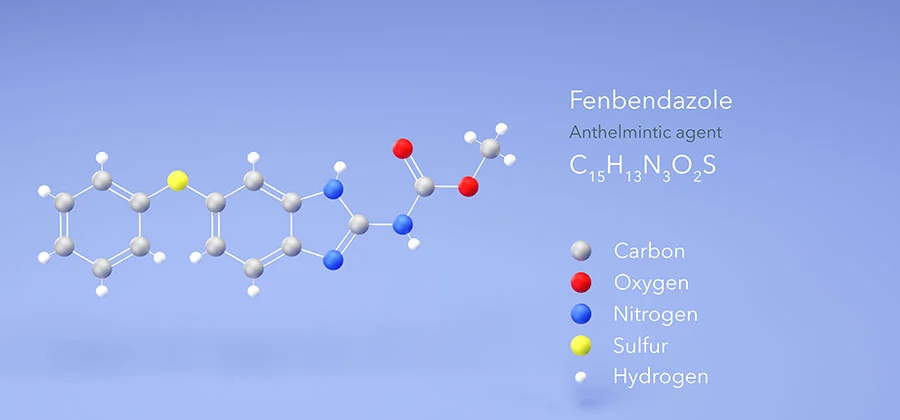
Fenbendazole, along with a closely related drug mebendazole, belongs to a class of drugs known as benzimidazoles. In laboratory and animal studies, benzimidazoles have demonstrated anticancer activity across a range of tumor types.
Multiple scientific journals identify several processes that may help explain these anticancer effects, including:
- Disruption of cancer cell division: Benzimidazoles interfere with microtubule formation, which can halt cancer cells in the G2/M phase of the cell cycle. This ultimately leads to cell death.
- Mitochondrial-mediated apoptosis: Studies suggest that these compounds can trigger programmed cell death in cancer cells through mitochondrial damage and p53-related signaling pathways.
- Interference with cancer metabolism: Fenbendazole and mebendazole may interfere with how cancer cells use glucose and key nutrients, reducing the energy those cells depend on.
- Anti-angiogenic effects: Research suggests benzimidazoles may help slow the growth of new blood vessels that supply tumors, reducing their access to oxygen and nutrients.
- Targeting cancer stem cells: These agents have been shown to reduce cancer stem cell and metastatic cell populations, including those resistant to certain chemotherapy drugs.
Among the studies supporting these findings are:
- Haebeen Jung et al. (2023) reported increased cancer cell death in EL-4 lymphoma cells in mice.
- Yan-Qi L et al. (2021) described a multi-pathway anticancer activity in preclinical models, particularly through autophagy-mediated cancer cell death.
Fenbendazole Dosage for Humans with Cancer
Fenbendazole is not FDA-approved for human use. Information about human dosing primarily comes from published case reports and the safety data available for mebendazole, a closely related benzimidazole approved for human use.
Published studies and clinical observations describe the following dosage and safety considerations. Insights from these reports include:
-
Mebendazole (FDA-Approved for Antiparasitic Use):
- Long-term pediatric dosing of 50 mg/kg per day for up to 18 months was reported without significant toxicity.
- Adult patients with gliomas tolerated doses of 1,500 mg per day without drug-related adverse effects.
- In phase 2 studies involving treatment-refractory gastrointestinal cancers, individualized doses up to 4 g per day were used safely.
-
Fenbendazole (Dosage suggested only in reported case studies):
- Case reports describe three patients with stage IV genitourinary cancers who experienced complete remission while taking 1,000 mg three times weekly over several months.
- All three patients had previously shown disease progression despite multiple systemic therapies.
These published studies suggest that benzimidazoles, notably mebendazole, are generally well-tolerated across a wide range of doses. This has encouraged interest in whether similar compounds like Fenbendazole may also be well-tolerated and suitable for further anticancer research.
Fenbendazole vs. Mebendazole Summary
The table below highlights key similarities and differences between them:
| Category | Fenbendazole | Mebendazole |
|---|---|---|
| Drug class | Benzimidazole | Benzimidazole |
| FDA approval (human use) | Not FDA-approved for humans | FDA-approved for human use |
| Evidence base | Preclinical studies and promising but limited case reports | Has undergone meaningful human testing compared to most repurposed antiparasitic |
| Proposed anticancer mechanisms | Microtubule disruption, apoptosis, cell-cycle arrest, metabolic pathway inhibition | Similar mechanisms, including microtubule disruption and apoptosis |
| Safety data in humans | Limited | Well-established, including long-term and high-dose use |
| Comparative research strength | Early likely due to disinterest from large pharmaceutical companies | More advanced, translational-stage |
| Integrative care context | Experimental for now, evidence gaps remain | Backed by stronger research to guide informed discussions |
Notably, mebendazole has undergone more extensive human testing because of its FDA-approved status as an anti-parasitic drug. Fenbendazole research remains limited due to regulatory constraints and a lack of funding.
Fenbendazole Pharmacokinetics and Potential Risks
Because Fenbendazole is not approved for human use, available pharmacokinetic data are limited. In the absence of human clinical trials, our current understanding is based on animal studies. Jolie Nguyen et al. (2024), in their research Oral Fenbendazole for Cancer Therapy in Humans and Animals, provide the following data and insights, including potential risks and side effects.
Fenbendazole Absorption in Male Rodents
Jolie Nguyen et al.’s research presents the following pharmacokinetic profile of Fenbendazole following oral administration at a dose of 10 mg/kg in male rats. After the peak concentration, the drug concentration remained lower than 0.1 µg/mL (10).
| Parameter | Oral Fenbendazole (10 mg/kg) |
|---|---|
| Tmax (h) | 0.25 ± 0.00 |
| T½ (h) | 8.23 ± 2.49 |
| Cmax (µg/mL) | 0.32 ± 0.24 |
| AUClast (µg·h/mL) | 0.73 ± 0.05 |
| AUC∞ (µg·h/mL) | 0.88 ± 0.17 |
Oral pharmacokinetic parameters of Fenbendazole in male rats, as reported by Nguyen et al.
This data suggests that:
- Fenbendazole has poor oral absorption, largely due to low water solubility.
- Systemic exposure after oral dosing is limited, with most activity observed in the gastrointestinal tract.
- Low bioavailability is a significant barrier to achieving and maintaining consistent therapeutic levels in systemic diseases.
Metabolism & Metabolites in Male Rodents
Jolie Nguyen et al.’s research suggests the following:
- Fenbendazole is extensively metabolized in the liver.
-
The primary active metabolite is oxfendazole (Fenbendazole sulfoxide),
which has:
- Greater systemic exposure than parent Fenbendazole
- Been evaluated separately in human phase 1 safety studies
- Additional metabolites include Fenbendazole sulfone.
- Metabolite interconversion occurs, complicating pharmacokinetic predictability.
Solubility Issues in Male Rodents
Jolie Nguyen et al. report the following findings:
- Fenbendazole is poorly water-soluble (≈0.3 µg/mL), limiting absorption and oral bioavailability.
- Solubility challenges are a central limitation for therapeutic development.
- Research has explored formulation strategies (e.g., lipid-based systems, nanoformulations) to improve bioavailability, but these remain experimental.
Toxicity, Side-Effects, & Safety Signals in Male Rodents
Jolie Nguyen et al.'s findings on toxicity and safety signals include:
- Animal studies generally show a wide therapeutic margin, with an LD₅₀ exceeding 10 g/kg in rodent trials.
- Human safety data are limited.
- Case reports of off-label human use have described elevated liver enzymes, suggesting possible hepatic side effects, although evidence remains inconclusive.
From Animal Use to Human Testing (Potential Side Effects and Risks)
Fenbendazole is currently labeled for veterinary use only and is widely used in animals to treat parasitic infections, including roundworms, hookworms, and whipworms. Individual reports have suggested potential benefits in companion animals with cancer when used as part of combination protocols.
However, SciQST (2025), in Exploring the Anticancer Potential of Fenbendazole: Current Evidence and Future Directions, reported that fenbendazole may promote tumor growth in certain experimental conditions, highlighting potential risks depending on context and mechanism engagement.
Further investigation is required to clarify safety, potential side effects, optimal dosing, and overall risk profile in both animals and humans.
Fenbendazole for Human Cancer Clinical Trials
With a relatively stable safety profile in animal studies and encouraging preclinical findings, fenbendazole has generated interest for potential evaluation in human cancer clinical trials. However, comprehensive assessment of risks, side effects, dosing, and efficacy is required before human trials can be appropriately initiated.
Ivermectin’s Potential Role in Approaches to Cancer
Disclaimer: Ivermectin is not FDA-approved for the treatment of cancer in humans. Current research is primarily limited to animal models and a few safety studies. This content is for educational purposes only and does not constitute medical advice.
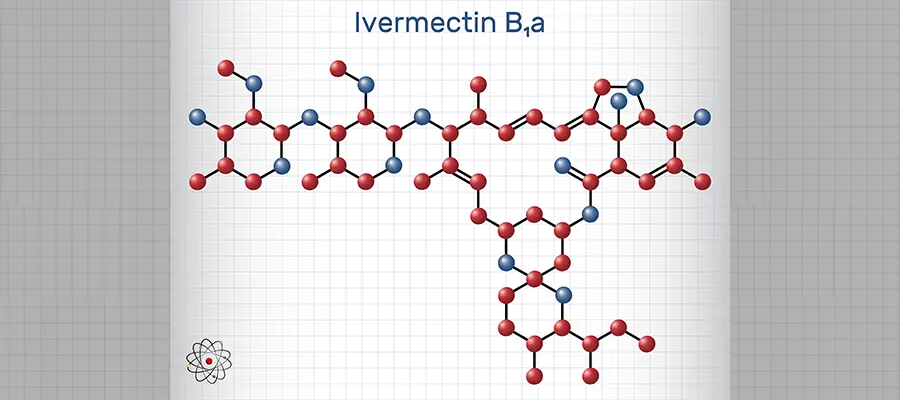
Ivermectin is an antiparasitic compound originally derived from the bacterium Streptomyces avermitilis. In recent years, it has garnered research attention due to its potential effects on cancer-related biological processes.
Preclinical and laboratory studies suggest that ivermectin may influence cancer cell behavior in several ways, including:
- Supporting programmed cell death (apoptosis) and autophagy in cancer cells
- Affecting mitochondrial function and cellular energy production
- Interfering with glycolysis and other metabolic pathways used by cancer cells
- Producing selective oxidative stress in cancer cells
- Reducing cancer stem cells, metastatic cell populations, and immune-related cells
Existing human safety data indicate that Ivermectin has generally been well-tolerated, including in studies using higher or longer-term dosing than is typically used in traditional antiparasitic applications.
In another study, Michał Sulik et al. (2024) found that several modified Ivermectin derivatives showed increased anticancer activity and cancer-cell selectivity in laboratory models, affecting cell division, promoting apoptosis, and increasing oxidative stress across multiple cancer types. This further highlights Ivermectin’s potential as a component of ongoing anticancer research.
Fenbendazole and Ivermectin Cancer Clinical Trials
When reviewing this research, it’s important to consider the nature of the tests that produced these findings. Because these drugs are off-patent, low-cost, and widely available, pharmaceutical companies have little incentive to fund large-scale clinical trials for cancer. As a result, clinical trials have been driven by academic and investigator-led groups rather than industry sponsors.
Fenbendazole Trials
- Examined primarily within the benzimidazole drug class, often alongside mebendazole in comparative preclinical studies.
- Since Fenbendazole lacks regulatory approval for human use, research is predominantly preclinical and limited. Researchers use cell lines and animal models to explore anticancer mechanisms.
- Frequently included in studies focused on microtubule disruption, cell cycle arrest, and metabolic pathway inhibition.
Ivermectin Trials
- Has been evaluated in human safety and dosing studies, but lacks large, controlled clinical trials assessing its efficacy in cancer.
- Investigated primarily through preclinical in vitro and in vivo cancer models, with studies spanning multiple cancer types.
- Frequently evaluated in mechanistic studies exploring pathways such as mitochondrial function, glycolysis, autophagy, and apoptosis.
Fenbendazole and Ivermectin for Human Cancer Clinical Trials
- Human cancer data are currently limited to safety studies, case reports, and small observational evidence.
- Further well-designed human clinical trials are needed to establish safety, efficacy, and appropriate clinical applications.
The Role of Complementary Compounds in Anticancer Research
Disclaimer: The role of complementary compounds in cancer treatment is not well established. They should not replace standard medical care. This information is for educational purposes only and not medical advice.
Recent studies in functional medicine highlight several complementary compounds for their potential to influence cancer-related processes, particularly metabolism, mitochondrial function, and tumor progression.
- Vitamin C: Studied for its ability to disrupt cancer cell energy production, affect mitochondrial function, and target cancer stem cells. The vitamin has shown more selective effects on cancer cells than on normal cells.
- Vitamin D: Associated with better metabolic regulation and healthier mitochondrial function. Clinical trials suggest vitamin D may help lower the risk of cancer developing or returning, while leading to cell death in certain populations.
- Zinc: Linked to mitochondrial protection, energy regulation, and suppression of cancer stem cell–like behavior. Zinc deficiency was consistently associated with increased cancer risk and poorer outcomes.
Ping Gao et al. (2008) reported that when combined with fenbendazole, several vitamins demonstrated anticancer activity, including vitamins E, A, B (including folate), D, and K. These findings have supported continued interest in complementary compounds as part of cancer research as a supportive strategy.
You can also learn more about complementary compounds and how they fit into a functional medicine approach to support overall health.
Functional Medicine: Integrating the Study’s Findings at Internal Healing & Wellness MD

The studies reviewed suggest that certain agents may demonstrate anticancer potential, especially when used in combination with supportive compounds. While more clinical trials are needed before fenbendazole and ivermectin can be safely prescribed for cancer care, these findings align perfectly with the framework of our existing anticancer programs.
At Internal Healing & Wellness MD, we adopt a functional medicine approach that focuses on addressing the root causes, optimizing the body’s natural defenses, and delivering personalized care tailored to each individual.
How Functional Medicine Supports Cancer Care
- Target Root Causes: Our programs target root causes like those proposed in the genetic, metabolic, and cancer stem cell models.
- Immune Optimization: Strengthening the immune system through complementary compounds like vitamin C and E is central to our functional medicine protocols.
- Synergistic Approaches: The study suggests that anticancer effects may be enhanced when certain agents are used alongside complementary compounds. These findings align with the holistic framework of functional medicine, which focuses on supporting multiple biological pathways and whole-body healing.
- Personalized Treatment Plans: We tailor protocols to each patient, taking careful measurements of results to adjust their program as needed over time.
Dr. Khan believes the best approach is to integrate functional medicine with conventional treatment. We work closely with board-certified oncologists and believe in a comprehensive care plan that prioritizes each patient’s concerns, overall health, and wellness throughout their cancer treatment journey.
Frequently Asked Questions
Fenbendazole is not approved for human use. Although animal studies suggest a wide safety margin, its use in humans remains experimental.
Fenbendazole’s effects on the human body have not been clinically studied for cancer treatment. While preclinical research suggests it may disrupt cancer cell metabolism and division, its behavior in humans remains uncertain.
Fenbendazole does not cure cancer, but early research suggests it may have potential as part of a broader approach to cancer care. While it has demonstrated cancer cell–disrupting properties in animal studies, further clinical research is needed.
Yes, Ivermectin is FDA-approved and generally safe for humans when prescribed at approved doses for specific conditions.
Cancer patients should only take Ivermectin if prescribed and supervised by a qualified healthcare provider. While it is approved for treating certain infections, its use in cancer care remains investigational.
Learn More About Functional Medicine Approaches to Cancer Care

Functional medicine focuses on personalized, evidence-informed strategies that support overall health alongside cancer care. Discover more about our approach and how it can complement your journey through individualized assessments and supportive therapies.
Discover how functional medicine can support cancer care through:
- Advanced testing and personalized assessment
- Supportive care for breast cancer
- Supportive care for ovarian cancer
- Supportive care for prostate cancer
Dr. Khan, MD, IFMCP
Internal medicine physician in practice since 2011, board certified in internal medicine by ABIM from 2013 to 2023, with residency training at Case Western Reserve University / MetroHealth and practice experience at Cleveland Clinic, Baylor St. Luke's Medical Center, and Memorial Hermann Memorial City. Certified by the Institute for Functional Medicine. He works collaboratively with board-certified oncologists to support coordinated, patient-centered cancer care.
References and Related Studies
For those interested in learning more about the research, here are several additional resources:
| Study/Source | Key Finding | Link |
|---|---|---|
| Fenbendazole | ||
| Fenbendazole: From MD Anderson to Joe Tippens (n.d.) | Joe Tippens pioneered the human use of FenBen. Tippens uses Panacur C from Merck Animal Health. Each gram of Panacur C contains 222 mg of Fenbendazole. | Fenbendazole: From MD Anderson to Joe Tippens | Integrative Holistic Cancer Therapy, Houston, Texas |
| Ping Gao et al. (2008) | Fenbendazole had an Antitumorigenic Effect when combined with Supplementary Vitamins. | Unexpected Antitumorigenic Effect of Fenbendazole when Combined with Supplementary Vitamins - PMC |
| Haebeen Jung et al. (2023) | FBZ increased the cell death of EL-4 cells in mice. | Differential cytotoxic effects of Fenbendazole on mouse lymphoma EL-4 cells and spleen cells |
| Internal Healing and Wellness MD (2024) | Fenbendazole and artemisinin show early promise as supplemental cancer therapies, but they lack FDA approval and human clinical trial evidence. | Emerging Research on Fenbendazole and Artemisinin for Cancer |
| Jolie Nguyen et al. (2024) | Fenbendazole exhibited promising anticancer activity in preclinical studies by disrupting the energy metabolism of cancer cells. | Oral Fenbendazole for Cancer Therapy in Humans and Animals | Anticancer Research |
| Li-Wen Ren et al (2021) | Benzimidazoles induced concurrent apoptosis and pyroptosis of human glioblastoma cells by arresting the cell cycle. | Benzimidazoles induce concurrent apoptosis and pyroptosis of human glioblastoma cells via arresting cell cycle - PubMed |
| Qiwen Duan et al. (2013) | Fenbendazole showed conditional toxicity to cancer cells in vitro but did not enhance radiation or chemotherapy effects or reduce tumor growth. | Fenbendazole as a Potential Anticancer Drug - PMC |
| SciQST (2025) | Fenbendazole showed promising anticancer potential based on preclinical evidence, but its clinical effectiveness remains unverified. | Exploring the Anticancer Potential of Fenbendazole: Current Evidence and Future Directions |
| Xiaokun Liu et al. (2025) | Flubendazole inhibited cervical cancer growth by targeting DHODH, inducing ferroptosis and PINK1/Parkin-mediated mitophagy. | Flubendazole inhibits cervical carcinoma by targeting DHODH to induce ferroptosis and mitophagy - ScienceDirect |
| Xing Xing (2024) | Flubendazole exhibited broad, multi-mechanistic anticancer activity in preclinical studies; however, its clinical potential hinges on addressing significant gaps in evidence, delivery, and validation. | Oncology Letters |
| Yan-Qi L et al. (2021) | Flubendazole (FLU) demonstrated multi-pathway anticancer activity in preclinical models, particularly by inducing autophagy-mediated cancer cell death. | Repositioning of Antiparasitic Drugs for Tumor Treatment - PMC |
| Ivermectin | ||
| Michał Sulik et al. (2024) | Structural modification of Ivermectin could markedly enhance its cancer-cell targeting ability and antiproliferative effects, though evidence remains preclinical. | Ivermectin and its synthetic derivatives – A new class of anticancer agents - ScienceDirect |
| Ning Fan et al. (2024) | Ivermectin inhibited the growth of bladder cancer cells. In addition, Ivermectin could induce apoptosis, ROS production, DNA damage, and activate ATM/P53 pathway-related proteins in bladder cancer cells. | Ivermectin Inhibits Bladder Cancer Cell Growth and Induces Oxidative Stress and DNA Damage - ScienceDirect |
| SEI MORINAGA et al. (2025) | Ivermectin and recombinant methioninase (rMETase) acted synergistically to reduce pancreatic cancer cell viability significantly | Ivermectin Combined With Recombinant Methioninase (rMETase) Synergistically Eradicates MiaPaCa-2 Pancreatic Cancer Cells | Anticancer Research |
| Yash Pate et al. (2025) | Ivermectin showed promise in preclinical cancer research, but there is a lack of strong human clinical evidence. | Ivermectin in Cancer Treatment: Should Healthcare Providers Caution or Explore Its Therapeutic Potential? | Current Oncology Reports |
| Supplements | ||
| American Institute for Cancer Research (n.d.) | Recent studies suggested that Ivermectin and certain supplements may show anticancer potential, primarily in preclinical and early clinical research. | Supplements & Nutrients - American Institute for Cancer Research |
| Kellie L. Bodeker et al. (2024) | High-dose intravenous vitamin C (P-AscH⁻) significantly improved overall and progression-free survival in patients with metastatic pancreatic cancer, without increasing toxicity or reducing quality of life. | A randomized trial of pharmacological ascorbate, gemcitabine, and nab-paclitaxel for metastatic pancreatic cancer - ScienceDirect |
| Motohiro Matsui et al. (2024) | Magnesium supplementation did not show a statistically significant benefit in preventing chemotherapy-induced nephrotoxicity in pediatric cancer patients. | Magnesium supplementation therapy to prevent cisplatin-induced acute nephrotoxicity in pediatric cancer: a randomized phase-2 trial | International Journal of Clinical Oncology |
| Qian Yang et al. (2025) | Higher vitamin D levels were associated with improved survival and treatment response in cancer patients receiving immunotherapy. | Higher serum vitamin D concentration and supplementation were associated with improved survival outcomes and treatment response in cancer patients receiving immunotherapy: A systematic review and meta-analysis - ScienceDirect |
| Yoshimichi Haruna et al. (2025) | Patients reciting the protocol showed no significant differences in patient or tumor characteristics. | Anticancer effects of vitamin K combined with transarterial chemoembolization in hepatocellular carcinoma, a randomized controlled trial |
Fenbendazole’s Role in Pet Cancer Care
Fenbendazole may hold promise not only for humans but also for pets such as dogs facing health challenges like cancer. The Ruby Protocol includes Fenbendazole, Ivermectin, dietary considerations, and supplements.