


The Hidden Link Between Teeth Grinding and Sleep Disorders
If you grind your teeth at night, you may assume it’s just from stress. But research shows that bruxism (nighttime teeth grinding) and sleep apnea are closely linked. In fact, up to half of people with sleep apnea also grind their teeth.
At Internal Healing & Wellness MD, we look at bruxism not just as a dental issue but as a possible warning sign of sleep apnea and other underlying health imbalances. Understanding this connection is key to protecting your teeth, restoring your sleep, and improving your long-term health.
Disclaimer: This article is for educational purposes only and is not a substitute for professional medical advice; always consult a qualified healthcare provider before starting or changing any treatment for bruxism or sleep apnea.
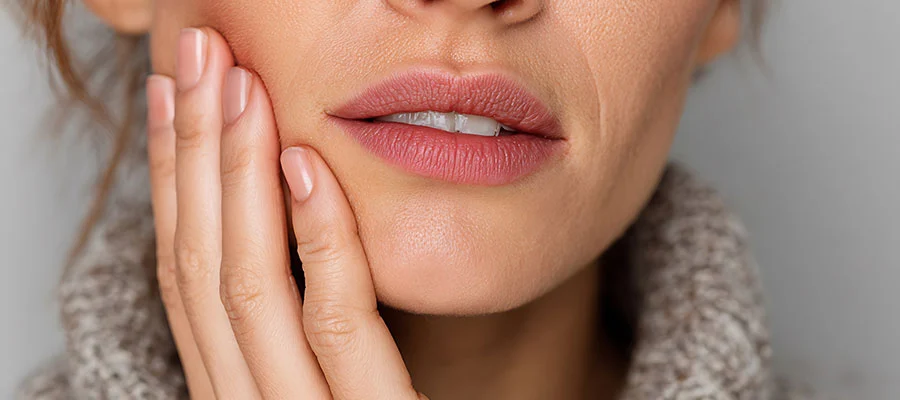
What Is Bruxism?
Bruxism is the unconscious grinding, clenching, or gnashing of teeth. It can happen when you’re awake, but it’s far more common during sleep, affecting an estimated 8-13% of adults in the general population.
Common signs include:
- Flattened, chipped, or sensitive teeth, which can lead to increased dental work like fillings or crowns.
- Soreness in the jaw, neck, or face upon waking up, often mistaken for tension headaches.
- Morning headaches or earaches that disrupt your day.
- Enlarged or tight jaw muscles, giving a squared appearance to the face.
- Disturbed sleep for you—or your bed partner, who hears grinding noises, sometimes loud enough to wake them.
Bruxism often goes unnoticed until a dentist points out the damage, which means many people don’t realize it until their teeth are already affected. Factors like misaligned teeth, anxiety, or even certain medications can contribute, but when it occurs nocturnally, it frequently ties into sleep disorders.
How Sleep Apnea and Bruxism Are Connected
Studies show that 33% to 54% of people with sleep apnea also experience bruxism. While the exact mechanism isn’t fully understood, two leading theories explain the link:
- Airway Compensation: When the airway collapses during sleep, the body may clench or grind to reposition the jaw and tongue, temporarily reopening the airway. This instinctive response helps restore breathing, but at the cost of dental wear.
- Micro-Arousals: Sleep apnea causes frequent mini-awakenings that activate the nervous system. This “fight-or-flight” response often triggers jaw movement and teeth grinding.
The result? Sleep is disrupted, the airway remains unstable, and teeth gradually suffer damage.
Obstructive sleep apnea occurs when throat muscles relax excessively, blocking airflow and causing pauses in breathing—sometimes hundreds of times per night. This leads to oxygen dips, fragmented sleep, and heightened sympathetic activity, all of which can exacerbate bruxism.
Signs That Bruxism and Sleep Apnea May Involve More Than Just Stress
If you experience the following, it may be time to consider an evaluation for sleep apnea:
- Morning headaches or jaw soreness that lingers into the day.
- Flattened or sensitive teeth, noticed during dental check-ups.
- Chronic fatigue or brain fog despite “enough sleep.”
- Loud snoring or pauses in breathing, often reported by partners.
- Trouble focusing or daytime sleepiness, impacting work or daily life.
Other red flags include high blood pressure, weight gain around the neck, or a family history of sleep disorders. Don't ignore these—early intervention can prevent complications like heart disease or diabetes.
Functional Medicine Insights into Bruxism and Sleep Apnea
From a functional medicine lens, bruxism and sleep apnea are not separate conditions but interconnected signs of deeper imbalance. We focus on the whole person, addressing lifestyle, environment, and biochemistry to uncover root causes.
- Stress & Hormones: High cortisol or disrupted sex hormones can contribute to both teeth grinding and poor sleep.
- Inflammation & Oxidative Stress: Research links both conditions to oxidative stress, which plays a role in chronic disease. Inflammation from poor sleep can damage tissues, including those in the jaw and airway.
- Nervous System Dysregulation: Constant micro-arousals from sleep apnea keep the nervous system on edge, fueling bruxism. This cycle can lead to adrenal fatigue and hormonal imbalances.
This holistic perspective means treating bruxism alone (with a mouth guard, for example) may not address the root issue if sleep apnea is present. Instead, we incorporate natural remedies like stress reduction techniques, nutritional support, and therapies such as L-theanine for brain protection during sleep deprivation.
Comprehensive Sleep Apnea and Bruxism Treatment Plans
At Internal Healing & Wellness MD, we take a comprehensive approach to bruxism and sleep apnea:
- CAR Testing (Cortisol Awakening Response): Measures stress hormone rhythms to see if major sleep disturbances are affecting recovery. This simple saliva test reveals how your body handles daily stressors.
- Sleep Apnea Testing:
- Cash-pay patients: Partnered testing with Empower Sleep for convenient home-based evaluation, allowing you to monitor sleep patterns comfortably.
- Insurance patients: Referral to trusted in-network sleep facilities for thorough polysomnography.
- Personalized Care Plans: May include oral appliances to reposition the jaw, lifestyle changes like weight management or sleep hygiene, hormone balancing through bioidentical therapies, stress reduction via mindfulness or yoga, or medical sleep apnea therapies such as CPAP.
Our goal is dual: To alleviate dental symptoms while resolving disrupted sleep. Oral appliance therapy, for instance, can treat both conditions by maintaining airway openness. Follow-up testing ensures progress, with adjustments based on your unique biochemistry.
Bruxism and Sleep Apnea Are Robbing You of More Than Sleep
Teeth grinding may feel like a minor nuisance, but it could be your body’s way of signaling a hidden sleep disorder. Untreated sleep apnea doesn’t just affect your teeth—it impacts your energy, mood, heart health, and long-term wellness. Through a functional medicine lens, personalized treatment can uncover root causes and restore restful, restorative sleep, protecting both your smile and your systemic health.
Disclaimer: This article is for educational purposes only and is not a substitute for professional medical advice; always consult a qualified healthcare provider before starting or changing any treatment for bruxism or sleep apnea.
Frequently Asked Questions
Bruxism and sleep apnea are often linked, with up to 54% of sleep apnea patients experiencing teeth grinding. Theories suggest bruxism may help reopen the airway during apnea events or result from micro-arousals that activate the nervous system.
Yes, sleep apnea can contribute to bruxism. The body's response to airway collapse, such as jaw clenching to reposition the tongue, can lead to nighttime grinding. Addressing sleep apnea often reduces bruxism symptoms.
Common symptoms include jaw soreness, morning headaches, flattened or sensitive teeth, chronic fatigue, loud snoring, and daytime sleepiness. If you notice a combination of these, it may indicate an underlying sleep disorder.
Diagnosis typically involves a clinical evaluation, sleep studies (home-based or in-lab), and tests like CAR for hormone imbalances. At Internal Healing & Wellness MD, we use a holistic approach to identify root causes.
Treatments include oral appliances, CPAP therapy, lifestyle changes, stress reduction, and functional medicine interventions like hormone balancing. We create personalized plans to address both conditions effectively.
No, bruxism can stem from stress, misalignment, or other factors. However, when accompanied by sleep disturbances like snoring or fatigue, it's worth evaluating for sleep apnea.
Schedule Your Consultation Today
At Internal Healing & Wellness MD, we combine functional medicine testing with sleep-specific care pathways to get to the root of bruxism and sleep apnea. If you’re experiencing bruxism, fatigue, or poor-quality sleep, schedule a consultation today.
Let’s uncover the underlying causes and create a plan that helps you sleep—and live—better. Start your holistic wellness journey now.
Relevant Studies and References
Edwards, B. A., & White, D. P. (2011). Control of the pharyngeal musculature during wakefulness and sleep: Implications in normal controls and sleep apnea. Head & Neck, 33(Suppl 1), S37–S45. https://doi.org/10.1002/hed.21841
Dadphan, N., Chalidapongse, P., Muntham, D., & Chirakalwasan, N. (2024). Prevalence and predictors of sleep bruxism in patients with obstructive sleep apnea and the effect of positive airway pressure treatment. Sleep and Breathing, 28(3), 1119–1125. https://doi.org/10.1007/s11325-023-02985-z
García Doblado, N., Barrera Mora, J. M., Pastor Dorado, F., Rodríguez Fernández, J. C., Ballestero Ordeix, G., & Espinar Escalona, E. (2025). Relationship between bruxism and obstructive sleep apnea: A systematic review of the literature. Journal of Clinical Medicine, 14(14), 5013. https://doi.org/10.3390/jcm14145013
Manfredini, D., Guarda-Nardini, L., Marchese-Ragona, R., & Lobbezoo, F. (2015). Theories on possible temporal relationships between sleep bruxism and obstructive sleep apnea events: An expert opinion. Sleep and Breathing, 19(4), 1459–1465. https://doi.org/10.1007/s11325-015-1163-5
Martynowicz, H., Gac, P., Brzecka, A., Poreba, R., Wojakowska, A., Mazur, G., Smardz, J., & Wieckiewicz, M. (2019). The relationship between sleep bruxism and obstructive sleep apnea based on polysomnographic findings. Journal of Clinical Medicine, 8(10), 1653. https://doi.org/10.3390/jcm8101653


