


Why Women May Experience Symptoms Without a Clear Diagnosis
Many women seek medical care because something feels off, yet testing does not point to a clear diagnosis. Symptoms such as fatigue, pain, dizziness, digestive discomfort, or sleep changes may affect daily life even when results appear normal. This uncertainty can feel frustrating and disruptive.
At Internal Healing and Wellness MD, women’s functional health is viewed through a whole-person lens. Hormones, stress, gut health, mental well-being, and the way the brain and body communicate often interact in ways that do not fit neatly into a single diagnosis.
Disclaimer: This content is for informational purposes only and does not replace medical advice. Always consult a qualified healthcare provider before making health decisions.
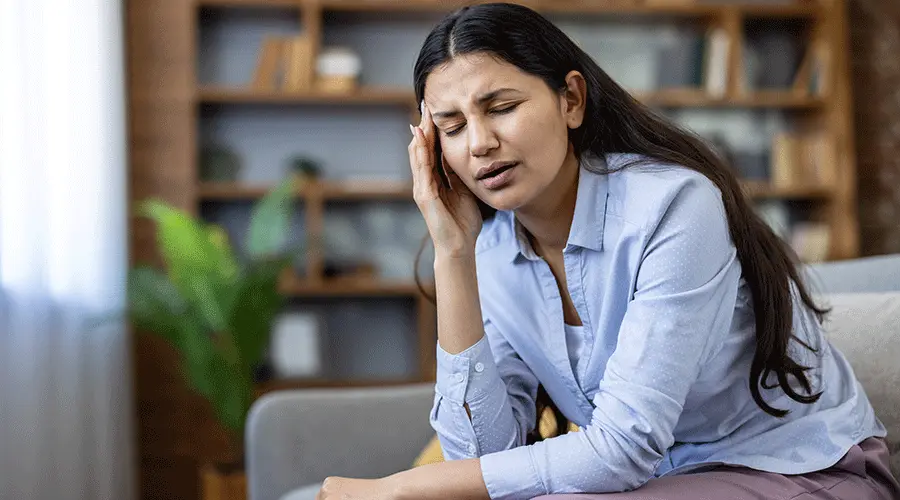
How the Mind–Body Connection Affects Women’s Health
Mental and physical health are closely connected in women. Anxiety, depression, and chronic stress can influence sleep, appetite, muscle tension, pain perception, focus, and mood, often creating symptoms with both emotional and physical roots.
As a result, many women remain in diagnostic limbo.
Two common examples:
- Somatic symptom disorder: Genuine physical symptoms (pain, fatigue, digestive issues) cause major distress and impair daily life, even when medical explanations are absent or incomplete.
- Illness anxiety disorder: Persistent fear of serious illness despite little evidence, often leading to frequent body-checking, repeated doctor visits, and avoidance of perceived risks.
Because women’s symptoms rarely occur in isolation, understanding how mind and body interact over time can help explain cases that do not fit neatly into a single diagnosis.
When Symptoms Affect Daily Life
Persistent symptoms can interfere with work, relationships, and a person’s ability to cope. Many people feel discouraged after repeated tests or imaging studies that do not provide clear answers.
Common challenges include:
- Symptoms affecting energy and concentration
- Similar symptoms appearing across different conditions
- Difficulty explaining experiences to a doctor or loved one
- Worry about long-term health risks
How Functional Care Supports Women’s Health
Functional care supports women’s health by focusing on how symptoms relate to the way the body’s systems function together over time.
It works alongside medical care to add context to clinical findings and help identify patterns that influence energy, mood, stress response, and overall well-being.
Understanding How Body Systems Work Together
Women’s symptoms reflect interactions between hormones, stress, digestion, immune function, and mental health. When symptoms lack a clear diagnosis, functional care supports balance across these systems instead of focusing on one issue.
A functional, patient-centered plan for women may include:
- Therapy or psychotherapy to help manage emotional distress and coping patterns
- Stress-reduction strategies that support nervous system regulation
- Self-care practices that promote recovery and resilience
- Lifestyle guidance tailored to daily demands and hormonal shifts
Care is individualized, and medical treatments or medications may be incorporated when appropriate as part of a coordinated plan.
Using Lab Work to Identify Patterns Over Time
Women’s functional health relies on monitoring patterns over time instead of a single test. Lab work reveals trends in nutrient levels, hormones, inflammation, and metabolism that impact symptoms.
Lifestyle support remains a core part of care and may include:
- Regular exercise to support energy, mood, and metabolic health
- Consistent sleep routines that promote recovery and hormonal regulation
- Nutrition strategies that support brain and body health
- Practical tools to manage stress and daily demands
These strategies are intended to support overall health, adaptability, and symptom awareness.
Supporting Health Through Ongoing Care and Guidance
Women’s health needs often change across life stages, stress levels, and hormonal transitions. Ongoing care allows symptoms, priorities, and support strategies to evolve over time.
Open communication with a functional health clinician helps:
- Identify changes in symptoms early
- Adjust care strategies as needed
- Reduce uncertainty when answers are not immediate
A strong support system with healthcare professionals, family, and trusted individuals can ease navigating uncertainty, especially during high-stress times or major transitions.
A Functional, Patient-Centered Approach to Women’s Health
Not every symptom fits a diagnosis, and that uncertainty can feel especially challenging for women whose health is influenced by hormones, stress, and life transitions. A functional, patient-centered approach recognizes that symptoms matter, even when they don’t follow a clear medical label.
Women’s functional health focuses on understanding patterns across the whole person, including physical, emotional, and lifestyle factors. With informed support and ongoing care, women can better manage symptoms, protect their quality of life, and move forward with clarity and confidence.
Disclaimer: This content is for informational purposes only and does not replace medical advice. Always consult a qualified healthcare provider before making health decisions.
Frequently Asked Questions
Women’s symptoms are often influenced by multiple interconnected systems, including hormones, stress response, digestion, and immune regulation. Because these systems interact, symptoms may not follow clear diagnostic patterns right away.
Yes. Symptoms are real and can affect daily life and well being, even when standard tests appear normal. A functional approach recognizes these experiences and looks for patterns over time rather than relying on a single result.
Functional care focuses on understanding how different body systems work together and how lifestyle, stress, and hormonal shifts influence symptoms. This approach supports individualized care that evolves as patterns become clearer.
Yes. Lifestyle factors such as stress management, sleep routines, movement, and nutrition can meaningfully support women’s functional health. These strategies help improve resilience and overall balance while symptoms are being evaluated.
Take the Next Step in Women’s Functional Care
At Internal Healing and Wellness MD in Shenandoah, Texas, care considers both mental and physical health as part of a broader picture of well being. Speaking with a qualified healthcare professional can help clarify patterns, support informed decisions, and guide appropriate next steps. Book your consultation today.
References:
- Compass Community Health. (2024, March 20). Exploring the link between mental health and women’s well-being. https://www.compasscommunityhealth.org/post/exploring-the-link-between-mental-health-and-women-s-well-being
- D'Souza, R. S., & Hooten, W. M. (2025). Somatic symptom disorder. In StatPearls. StatPearls Publishing. https://www.ncbi.nlm.nih.gov/books/NBK532253/
- French, J., & Hameed, S. (2023). Illness anxiety disorder. In StatPearls. StatPearls Publishing. https://www.ncbi.nlm.nih.gov/books/NBK554399/
- Muntigl, P. (2020). Managing distress over time in psychotherapy: Guiding the client in and through intense emotional work. Frontiers in Psychology, 10, Article 3052. https://doi.org/10.3389/fpsyg.2019.03052
- Worthen, M., & Cash, E. (2025). Stress management. In StatPearls. StatPearls Publishing. https://www.ncbi.nlm.nih.gov/books/NBK513300/


