


Medically Reviewed By: Dr. Imran Khan, MD, IFMCP
Last Updated: April 23, 2026
Understanding Integrative Oncology
Integrative oncology is a patient centered approach to cancer care that combines conventional cancer treatments with supportive integrative therapies. These approaches may include mind body practices, nutrition support, lifestyle modifications, and other methods that focus on the whole person.
At Internal Healing and Wellness MD, personalized cancer care may incorporate integrative oncology services to support patients throughout the cancer care continuum. The goal is to help address symptoms, support quality of life, and optimize health while patients receive conventional cancer treatments such as chemotherapy, radiation, or surgery.
Disclaimer: This content is for informational purposes only and does not replace medical advice. Always consult a qualified healthcare provider before making health decisions.
Why Some Existing Drugs Are Studied in Cancer Research
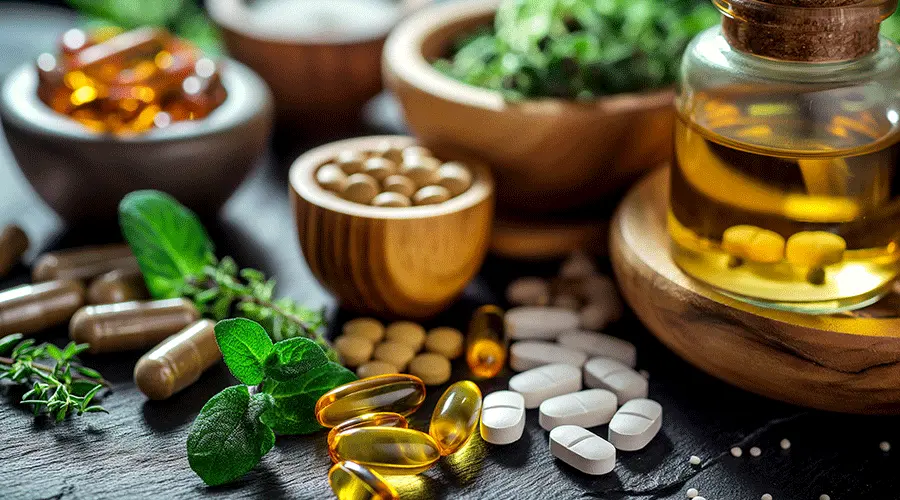
In integrative oncology, some research looks at whether medications already used for other conditions may have additional roles in cancer care. This area of study is often referred to as drug repurposing and continues to be explored in research and clinical settings.
What Are Repurposed Drugs?
Repurposed drugs are medications originally developed for other health conditions that are now being studied for potential roles in cancer care.
This concept may be of interest to patients exploring a broader range of options as part of their care discussions. However, these approaches remain investigational and should always be reviewed with a qualified oncology practitioner and care team.
How Integrative Oncology Supports Conventional Cancer Treatment
Integrative oncology does not replace traditional cancer treatments. Instead, it works alongside conventional cancer treatments as part of a broader treatment plan guided by a care team.
Integrative therapies may support symptom management and help patients cope with the cancer experience. These therapies may include acupuncture, massage therapy, meditation, yoga, exercise, and nutrition strategies designed to help reduce pain, fatigue, anxiety, and other symptoms.
Many integrative oncology services are part of an evidence informed field that focuses on evidence based practice. The goal is to help patients stay connected to their care team while supporting physical condition, emotional wellbeing, and overall quality of life.
Mind-Body Practices in Integrative Oncology
Mind-body practices are often used in integrative oncology to support both mental and physical health. These approaches focus on the connection between the mind and body during cancer treatment.
Common mind-body practices may include:
- meditation and relaxation techniques
- yoga and gentle movement
- breathing exercises
- stress management practices
These practices may help some patients cope with anxiety, depression, fatigue, and other symptoms that may occur during cancer therapies.
How Functional Oncology Supports Personalized Cancer Care
Functional oncology is an area within integrative medicine that looks at factors affecting a person’s overall health during cancer treatment. This approach may examine lifestyle factors, nutrition, stress, and other influences that may affect the body during cancer care.
By focusing on the whole person, functional oncology aims to help optimize health and support personalized care discussions. Patients may explore ways to improve physical condition, reduce symptoms, and support recovery alongside conventional medicine.
The Integrative Oncology Philosophy at IHAWMD
At Internal Healing and Wellness MD, integrative oncology services focus on patient centered care that supports the whole person. The goal is to help patients understand options that may complement conventional cancer treatments while remaining connected to their oncology care team.
This philosophy emphasizes education, collaboration, and personalized support. Patients and caregivers are encouraged to be active participants in their care while exploring evidence-informed strategies that support health, healing, and quality of life.
Disclaimer: This content is for informational purposes only and does not replace medical advice. Always consult a qualified healthcare provider before making health decisions.
Explore Integrative Oncology Care Options Today
Connect with our team to learn how integrative oncology approaches may support your cancer care journey. We discuss lifestyle strategies, supportive therapies, and ways to improve quality of life while staying aligned with your oncology care plan.
Schedule a consultation with Internal Healing and Wellness MD today.
Frequently Asked Questions
Integrative oncology is a patient centered approach that combines conventional cancer treatments with supportive therapies such as mind body practices, nutrition, and lifestyle strategies.
No. Integrative oncology is used alongside conventional cancer treatments such as chemotherapy, radiation, and surgery as part of a broader cancer care plan.
Integrative oncology may include therapies such as acupuncture, massage therapy, meditation, yoga, exercise, nutrition support, and stress management techniques.
Some integrative therapies may help support symptom management for issues such as pain, fatigue, anxiety, and stress during cancer treatment.
Integrative oncology care is typically guided by a practitioner working with a patient’s oncology care team. This approach focuses on supporting the whole person throughout the cancer care journey.
References
- Centers for Disease Control and Prevention. (2025). Managing stress. https://www.cdc.gov/mental-health/living-with/index.html
- Kulkarni, V. S., Alagarsamy, V., Solomon, V. R., Jose, P. A., & Murugesan, S. (2023). Drug repurposing: An effective tool in modern drug discovery. Russian Journal of Bioorganic Chemistry, 49(2), 157–166. https://doi.org/10.1134/S1068162023020139
- Latte-Naor, S., & Mao, J. J. (2019). Putting integrative oncology into practice: Concepts and approaches. Journal of Oncology Practice, 15(1), 7–14. https://doi.org/10.1200/JOP.18.00554
- Letai, A. (2022). Functional precision oncology: Testing tumors with drugs to identify vulnerabilities and novel combinations. Cancer Cell, 40(1), 26–35. https://doi.org/10.1016/j.ccell.2021.12.002
- National Center for Complementary and Integrative Health. (2025). Mind and body practices. https://www.nccih.nih.gov/health/mind-and-body-practices
- Norelli, S., Long, A., & Krepps, J. (2023). Relaxation techniques. In StatPearls. StatPearls Publishing. https://www.ncbi.nlm.nih.gov/books/NBK513238/


