


The Connection Between Gut Health and Systemic Inflammation
Gut health is a primary driver of how inflammation develops throughout the entire body. Rather than acting in isolation, the digestive tract functions as a communication hub where immune responses and gut barrier integrity influence the health of other organs. When these systems become disrupted, inflammation can extend beyond the gut and spread systemically.
At Internal Healing and Wellness MD, we focus on educating patients about these critical connections. We help explain how internal balance supports overall health and why understanding these relationships provides a clearer foundation for long-term wellness.
Disclaimer: This content is for informational purposes only and does not replace medical advice. Always consult a qualified healthcare provider before making health decisions.
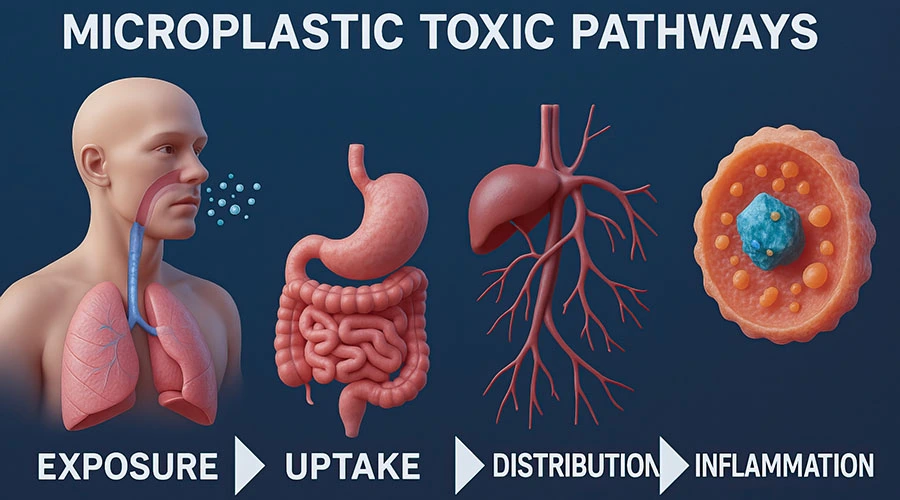
How the Gut Microbiome Interacts With the Immune System
The human gut microbiome is made up of trillions of microorganisms living in the digestive tract. These microbes interact closely with the immune system and help shape how immune responses develop over time. A balanced gut environment supports immune tolerance and stability.
Gut bacteria also communicate directly with immune cells that help regulate inflammation. These interactions allow the immune system to respond to potential threats while minimizing unnecessary damage to healthy tissue.
What Happens When Gut Balance Is Disrupted
An altered gut microbiota composition, often called gut dysbiosis, can disrupt immune regulation. This imbalance may increase inflammatory cytokines and reduce anti-inflammatory cytokines. Over time, these changes can contribute to chronic inflammation.
Reduced intestinal microbial diversity allows pathogenic bacteria to grow more easily. This shift may increase susceptibility to autoimmune diseases, inflammatory diseases, and infectious diseases.
How Gut Inflammation Becomes Systemic
Inflammation that begins in the gut does not always remain confined to digestion. Gut bacteria produce natural compounds that help regulate immune activity throughout the body. When gut balance is disrupted, these signals can shift toward inflammation rather than regulation.
The gut lining normally acts as a protective barrier. Damage to this barrier allows inflammatory signals to move into the bloodstream, increasing the likelihood of inflammation affecting other tissues and organs.
Conditions Linked to Gut-Driven Inflammation
Gut health has been linked to several inflammatory conditions. Altered gut microbiota composition has been observed in inflammatory bowel disease, including ulcerative colitis. Similar patterns appear in autoimmune diseases such as rheumatoid arthritis.
Gut-driven inflammation may also influence:
- Metabolic disorders and metabolic diseases, which have been linked to immune and inflammatory signaling pathways.
- Skin inflammation through the gut–skin axis, reflecting immune communication between the digestive tract and skin tissue.
- Cardiovascular and vascular inflammation, where chronic inflammatory signaling affects blood vessel health.
- Infectious and inflammatory diseases, influenced by immune regulation originating in the gut.
These conditions reflect immune dysregulation rather than isolated symptoms.
Lifestyle and Environmental Factors That Shape Gut Health
Daily habits strongly influence gut microbiota composition. Diet, stress, sleep quality, and environmental factors affect microbial diversity over time. Genetic susceptibility also shapes how individuals respond to these influences.
Supportive habits often include:
- Eating fiber-rich foods to support beneficial bacteria.
- Including prebiotic and probiotic foods.
- Managing stress to support immune tolerance.
- Supporting hydration and sleep routines.
- Limiting refined sugars and highly processed foods.
These patterns help maintain intestinal homeostasis and gut barrier integrity.
Why a Broader, Functional Perspective Matters
Gut health influences immune regulation, inflammatory responses, and systemic inflammation throughout the body. Understanding how gut health drives inflammation throughout the body helps explain why symptoms may persist when only isolated issues are addressed.
Disclaimer: This content is for informational purposes only and does not replace medical advice. Always consult a qualified healthcare provider before making health decisions.
Frequently Asked Questions
Gut health affects how the immune system regulates inflammatory responses. Imbalances in the gut microbiota or intestinal barrier can contribute to chronic inflammation throughout the body.
Gut health influences immune regulation, metabolism, and communication between body systems. These connections help explain how digestive balance affects whole-body inflammation.
A large portion of immune cells are found within the gastrointestinal tract. These cells interact closely with gut bacteria to support immune tolerance and defense.
The “4 R” framework is a functional medicine concept that describes a structured way to evaluate digestive balance. It focuses on understanding factors related to stressors, nutrient support, microbial balance, and gut barrier function.
Book a Functional Medicine Consultation for Gut Health Today
At Internal Healing and Wellness MD in Shenandoah, Texas, functional medicine considers gut health as part of a broader picture of immune function and inflammation. Speaking with a qualified healthcare professional can help clarify underlying patterns and support informed decisions. Book your consultation today.
References
De Pessemier, L., Grine, L., Debaere, M., Maes, A., Paetzold, B., & Van de Wiele, T. (2021). Gut–skin axis: Current knowledge of the interrelationship between microbial dysbiosis and skin conditions. Microorganisms, 9(2), Article 353. https://doi.org/10.3390/microorganisms9020353
McDowell, C., Farooq, U., & Haseeb, M. (2023). Inflammatory bowel disease. In StatPearls. StatPearls Publishing. https://www.ncbi.nlm.nih.gov/books/NBK470312/
National Institute of Allergy and Infectious Diseases. (n.d.). Immune system overview. https://www.niaid.nih.gov/research/immune-system-overview
Patial, R., Batta, I., Thakur, M., Sobti, R. C., & Agrawal, D. K. (2024). Etiology, pathophysiology, and treatment strategies in the prevention and management of metabolic syndrome. Archives of Internal Medicine Research, 7(4), 273–283. https://doi.org/10.26502/aimr.0184
Thursby, E., & Juge, N. (2017). Introduction to the human gut microbiota. Biochemical Journal, 474(11), 1823–1836. https://doi.org/10.1042/BCJ20160510
Wang, H., & Jing, Z.-C. (2020). Inflammation and cardiovascular diseases. Chronic Diseases and Translational Medicine, 6(4), 215–218. https://doi.org/10.1016/j.cdtm.2020.09.003
Zhao, M., Chu, J., Feng, S., Guo, C., Xue, B., He, K., & Li, L. (2023). Immunological mechanisms of inflammatory diseases caused by gut microbiota dysbiosis: A review. Biomedicine & Pharmacotherapy, 164, Article 114985. https://doi.org/10.1016/j.biopha.2023.114985


