


How Functional Medicine Defines Heart Disease
According to the Centers for Disease Control and Prevention (CDC), heart disease is the leading cause of death in the United States, responsible for about 1 in every 3 deaths. While often associated with plaque buildup or acute events, cardiovascular disease typically develops over years due to metabolic, inflammatory, hormonal, lifestyle, and environmental factors that gradually damage the vascular system.
At Internal Healing & Wellness MD, we use a functional medicine and integrative cardiology approach to identify these upstream drivers—such as chronic inflammation, oxidative stress, insulin resistance, hormonal imbalances, nutrient deficiencies, sleep disruption, autonomic dysfunction, mitochondrial stress, and toxin exposures. This root-cause lens complements conventional cardiology and helps patients reduce long-term cardiovascular risk more effectively.
Disclaimer: This article is for educational purposes only and is not a substitute for professional medical advice, diagnosis, or treatment. Always consult a qualified healthcare provider regarding any medical concerns.
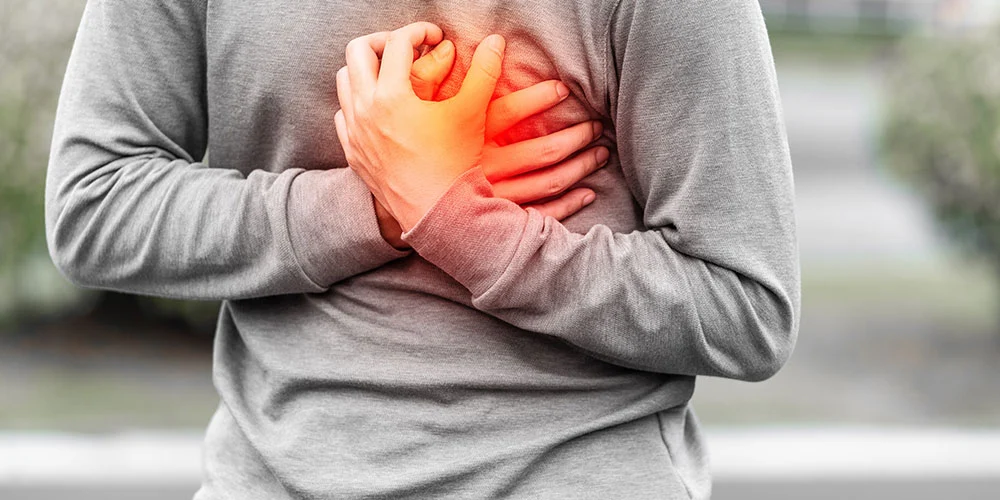
Modifiable and Non-Modifiable Risk Factors for Heart Disease
Heart disease develops through a combination of unchangeable and lifestyle-driven factors. Understanding both helps patients make informed decisions about prevention and long-term care.
Non-Modifiable Risk Factors for Heart Disease
These factors cannot be changed, but they increase the need for aggressive management of modifiable factors.
- Age: Risk associated with atherosclerosis (plaque buildup in the arteries) increases significantly after age 45 for men and 55 for women.
- Genetics and Family History: Certain inherited traits influence cholesterol metabolism, blood pressure regulation, clotting, and inflammation.
Modifiable Risk Factors for Heart Disease
Functional medicine places a strong emphasis on the following factors, as they are directly influenced by lifestyle and biological interventions.
- High blood pressure (vascular strain + endothelial injury)
- Unhealthy cholesterol patterns (LDL, HDL, triglycerides, ApoB, Lp(a))
- Insulin resistance & metabolic dysfunction
- Nutrient-poor diet & inflammation
- Sedentary lifestyle & low nitric oxide production
- Chronic stress & autonomic imbalance
- Inadequate sleep or untreated sleep apnea
- Smoking & excessive alcohol use
Addressing these areas transforms long-term risk and supports cardiometabolic resilience.
Comparing Standard and Holistic Approaches to Cardiovascular Care
Functional medicine and conventional cardiology share the same goal but differ in scope.
| Aspect of Care | Conventional Cardiology | Functional Medicine / Integrative Approach |
|---|---|---|
| Primary Focus | Disease management | Root-cause cardiovascular health |
| Common Tools | Medications, stents, bypass surgery, rehab | Advanced biomarkers, nutrition, metabolic testing, sleep/stress support |
| Strengths | Acute events, advanced disease | Prevention, metabolic balance |
| Assessment Style | Symptoms, imaging, ECG | Inflammation, hormones, toxins, sleep, nutrition |
| Care Approach | Protocol-driven | Personalized and whole-systems |
| Role in Care | Essential for diagnosing and treating advanced or acute cardiovascular disease | Complements cardiology to prevent heart disease naturally |
Together, these perspectives offer a more complete view of cardiovascular health.
Lifestyle and Behavioral Interventions That Support Heart Health
Daily habits influence key cardiovascular biomarkers, including ApoB, Lp(a), hs-CRP, triglycerides, blood sugar, blood pressure, and endothelial function.
The practices below support heart disease prevention and cardiometabolic health.
Heart-Healthy Nutrition & Cardiometabolic Support
A functional nutrition approach emphasizes:
- Anti-inflammatory whole foods
- Healthy fats & omega-3 fatty acids
- Lean proteins & fiber-rich vegetables
- Whole grains & legumes
- Nutrition to reduce cardiovascular inflammation naturally
These dietary choices help regulate inflammation, improve LDL cholesterol patterns, support endothelial function, and stabilize blood sugar.
Physical Activity, Weight Regulation, & Vascular Health
Movement is a core therapy for the cardiovascular system.
- Aerobic Exercise: Regular physical activity, such as walking, cycling, or swimming, improves endothelial function, nitric oxide production, and metabolic health.
- Resistance Training: Supports insulin sensitivity and healthy body composition.
- NEAT: Non-Exercise Activity Thermogenesis, or simply moving more throughout the day (standing, walking breaks), counters cardiometabolic risk factors.
Impact of Stress Physiology and Sleep on Managing Cardiovascular Disease
Chronic stress affects the body as much as the mind.
Sustained high levels of stress hormones (cortisol and adrenaline) lead to chronic inflammation, elevated blood pressure, and imbalances in the parasympathetic nervous system, increasing cardiovascular risk.
Supportive strategies include:
- Breathwork, mindfulness, and meditation to improve heart rate variability (HRV) and support parasympathetic activation.
- Prioritizing 7–9 hours of quality sleep each night.
- Screening for sleep apnea, an often-overlooked but significant cardiovascular risk factor.
Natural and Integrative Strategies for Supporting Vascular Function
Evidence-informed integrative strategies may include:
- Nutrients such as magnesium, CoQ10, omega-3s, or antioxidants (if clinically appropriate) are often guided by functional medicine testing to identify individual deficiencies.
- Herbal tools with cardiovascular research support are used within a holistic heart disease prevention plan to complement lifestyle and medical strategies.
- Lifestyle modifications that improve nitric oxide production and vascular tone, such as targeted movement, nutrition upgrades, and stress-regulation practices commonly used in functional medicine.
We personalize these strategies based on a patient’s metabolic, inflammatory, and cardiovascular profile to ensure safety and effectiveness.
Cardiovascular Health Situations Requiring Urgent Care
Seek immediate medical attention or call emergency services if you experience red flags such as:
- Sudden, severe chest pain or discomfort.
- Shortness of breath or difficulty breathing.
- Pain radiating to the arm, jaw, neck, or back.
- Severe dizziness, fainting, or sudden weakness.
- Symptoms of a suspected heart attack or severe, symptomatic arrhythmia.
Disclaimer: Functional medicine supports cardiovascular wellness but does not replace emergency or acute cardiac care.
Why Early Detection & Personalized Assessment for Cardiovascular Health Matters
Early identification of risk factors leads to better long-term outcomes. Functional medicine solutions may include:
- ApoB + Lp(a)
- hs-CRP vs. standard CRP
- Coronary artery calcium score (CAC)
- Endothelial dysfunction markers
- Advanced lipid profiles
- Insulin and metabolic panels
- Hormone and thyroid evaluation
- Nutrient deficiencies (omega-3 index, magnesium)
In a holistic assessment, cardiovascular markers are only one part of the picture. Broader wellness testing—such as nutrient status, hormones, toxins, or gut balance—can also offer helpful insight into the factors that support inflammation balance and overall heart health.
Disclaimer: This article is for educational purposes only and is not a substitute for professional medical advice, diagnosis, or treatment. Always consult a qualified healthcare provider regarding any medical concerns.
Frequently Asked Questions
Optimizing nutrition, increasing aerobic and strength training, improving sleep, reducing stress, and eliminating smoking or excess alcohol dramatically reduces risk.
Chronic stress increases inflammation, elevates blood pressure, and disrupts autonomic balance—accelerating cardiovascular strain.
Integrative medicine is designed to reduce the risk and slow the progression of heart disease by addressing metabolic, inflammatory, and lifestyle root causes. This personalized approach works alongside conventional care to support long-term function.
Common early signs include fatigue, shortness of breath, reduced exercise tolerance, or mild chest discomfort. Some individuals have no symptoms.
Functional Medicine Support for Long-Term Heart Health—Book Now
At Internal Healing & Wellness MD, heart-health care begins with understanding the underlying metabolic, inflammatory, nutritional, and lifestyle patterns that contribute to cardiovascular disease.
Our integrative evaluations and personalized treatment plans are designed to work alongside conventional cardiology to support long-term cardiovascular function and overall well-being.
To begin a comprehensive heart-health assessment, schedule a consultation today.
Relevant Studies and References
- Centers for Disease Control and Prevention. (2024). Heart disease facts. https://www.cdc.gov/heart-disease/data-research/facts-stats/index.html
- National Heart, Lung, and Blood Institute. (2024). What causes atherosclerosis? https://www.nhlbi.nih.gov/health/atherosclerosis/causes
- Zheng, X., et al. (2018). Healthy lifestyle behaviors and cardiovascular health. Journal of Clinical Medicine, 7(10), 348. https://pmc.ncbi.nlm.nih.gov/articles/PMC6172294/
- Huffman, M. D., & Yusuf, S. (2013). Long-term cardiovascular disease prevention: Approaches to risk factor modification. Progress in Cardiovascular Diseases, 56(2), 234–243. https://pubmed.ncbi.nlm.nih.gov/22777332/
- von Loeffelholz, C., & Birkenfeld, A. L. (2022). Non-Exercise Activity Thermogenesis in Human Energy Homeostasis. In K. R. Feingold et al. (Eds.), Endotext. MDText.com, Inc. https://pubmed.ncbi.nlm.nih.gov/25905303/
- Steptoe, A., & Kivimäki, M. (2013). Stress and cardiovascular disease. Nature Reviews Cardiology, 9(6), 360–370. https://pubmed.ncbi.nlm.nih.gov/23297662/


