


Why Ozempic Became a Household Name
Ozempic was developed to help adults with type 2 diabetes manage blood sugar and reduce certain heart-related risks. Its visibility changed as use of GLP-1 medications surged in the United States. Between 2020 and 2023, prescriptions for drugs like Ozempic more than tripled, and surveys estimate that nearly 12 percent of U.S. adults have used a GLP-1 medication for weight-related purposes.
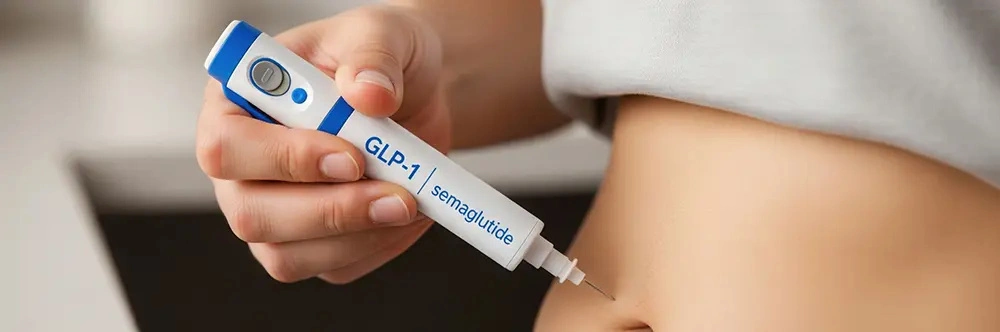
As weight loss experiences became more visible in the media and online, public attention expanded beyond diabetes treatment. This has led to confusion. While the medication can reduce appetite and affect digestion, it is intended to support blood sugar control under the guidance of a healthcare professional. Understanding this difference helps set realistic expectations.
Disclaimer: This article is for informational purposes only and does not constitute medical advice. Always consult a qualified professional before making decisions based on this content.
What Is Ozempic and How Does It Work in the Body?
Ozempic belongs to a group of medications called GLP-1 receptor agonists. These drugs mimic a natural hormone involved in regulating blood sugar levels and appetite. The active ingredient in Ozempic is semaglutide.
Ozempic works in several key ways:
- Helps the body release insulin when blood sugar levels rise
- Reduces glucagon, a hormone that increases blood sugar
- Slows digestion, so food leaves the stomach more gradually
- Increases feelings of fullness, which can reduce appetite
For adults with type 2 diabetes, Ozempic is FDA-approved to:
- Help lower and stabilize blood sugar levels
- Reduce the risk of certain heart-related events
In practice, Ozempic is sometimes used beyond its original purpose because many people experience changes in appetite and weight loss. Whether it’s appropriate depends on an individual’s overall health, which is why guidance from a qualified healthcare provider is important.
Ozempic Benefits for Weight Loss and Blood Sugar Control
Ozempic is often discussed for the changes people notice in their appetite, weight, and blood sugar levels. These effects don’t occur because the medication directly targets weight, but rather because it alters how the body responds to food and fullness cues.
Weight Loss Outcomes
In the major STEP 1 clinical trial, participants lost an average of 15% of their body weight over a 68-week period. This happens because the active ingredient, semaglutide, helps reduce hunger and naturally lowers calorie intake.
However, these outcomes aren't a "magic wand"; they vary based on your unique body mass index, metabolic history, and how well you support the treatment with a mindful diet and exercise.
Blood Sugar and Blood Pressure Control
Ozempic can improve blood glucose stability and reduce blood sugar spikes, which is central to diabetes management. Some patients also see modest improvements in blood pressure as metabolic markers improve.
Appetite Regulation and Reduced Hunger
By affecting hunger signaling, Ozempic often helps people feel full sooner and eat less. This regulation of appetite is a key reason it has drawn attention beyond diabetes care.
What Ozempic Clinical Trials Don’t Always Show
While clinical trials provide a map of how drugs work, they often occur in a "clinical bubble" that bears little resemblance to our busy, daily lives. To gain a clear understanding of Ozempic, we must examine the details that often don't make it into the headlines.
Study Design Limitations and Real-World Gaps
In one population study, nearly three out of four people had heard of Ozempic, even though many did not have a medical reason to use it.
Social media also strongly influenced how people viewed weight loss medications, often shaping expectations more than medical guidance.
The same study found large knowledge gaps around side effects and proper use. About 75 percent of people without a health care background were unaware of potential adverse effects, which helps explain why real-world use can differ from clinical trials, where participants are closely monitored and informed.
When we only focus on those who finish, we miss the reality of how difficult these side effects can be to live with.
The "Rebound Effect": What Happens When You Stop Taking Ozempic?
One of the most important findings in a systematic review of GLP-1 data is the "rebound effect." A study found that after people stopped taking semaglutide, most regained about two-thirds of the weight they lost within a year. Because the medicine suppresses appetite without addressing the underlying drivers of metabolism, the hunger often returns as soon as the treatment ends.
This is why focusing on root-cause health is also vital for lasting results.
Ozempic Side Effects and Potential Risks
Before discussing side effects, it is helpful to understand which version of Ozempic is being used.
Only FDA-approved Ozempic is regulated for safety, quality, and dosing in the U.S. Compounded or counterfeit versions are not reviewed in the same way and can carry additional risks, which is why obtaining medication from a licensed provider is important.
Many people are told to expect mild nausea at first, but real-world experience shows there are other effects worth knowing about, especially with longer use or rapid weight loss.
| What Some People Experience | What This Can Mean |
|---|---|
| Common side effects | Nausea, constipation, stomach discomfort, or irritation where the injection is given. These often happen early and may improve over time. |
| Less common but more serious issues | In some cases, individuals have experienced inflammation of the pancreas, gallbladder issues, or persistent digestive problems. Ozempic also comes with thyroid cancer warnings for certain individuals. |
| Dehydration and kidney strain | Ongoing nausea or vomiting can lead to dehydration, which may stress the kidneys, especially during illness. |
| Muscle loss during fast weight loss | Losing weight quickly can also result in the loss of muscle. A lower muscle mass can slow metabolism and make it harder to maintain weight loss in the long term. |
| Weight regain after stopping. | Many people regain a significant portion of the weight they lost after stopping Ozempic, as appetite and metabolism often return to their previous patterns. |
These possibilities don’t mean Ozempic is the wrong choice for everyone. They highlight why awareness, monitoring, and a long-term plan are crucial when considering medication as part of an overall health strategy.
Ozempic Risks for Adults Over 65
As we age, our bodies don’t bounce back as quickly from changes in appetite, weight, or hydration. Because Ozempic can reduce hunger and slow digestion, older adults may feel its effects more strongly and need a bit more care when using it.
Sarcopenia, Frailty, and Fall Risk:
- Losing weight quickly can also mean losing muscle
- Less muscle can affect balance and strength
- Eating less may make it harder to get enough protein
Higher Risk with Kidney Disease or Heart Failure:
- Ongoing nausea or vomiting can lead to dehydration
- Dehydration can put extra stress on the kidneys or heart
- Existing health conditions may increase sensitivity to side effects
This doesn’t mean Ozempic is never appropriate for older adults. It just works best when the approach is thoughtful, individualized, and supported.
Why Ozempic and GLP-1 Medications Alone Aren’t Enough
Medications like Ozempic can be helpful tools, but they aren’t a cure for weight concerns. When a weekly injection is used without changes to food choices, movement, and daily habits, results are often hard to maintain.
From a holistic perspective, lasting health comes from supporting how the body works overall, not just lowering the number on the scale.
Addressing the Root Causes of Weight Gain
Long-term change usually requires looking beyond calories and appetite to factors that influence how the body holds or releases weight, such as:
- Gut health and inflammation can affect metabolism and energy use.
- Environmental exposures, including chemicals that can disrupt hormone function.
- Cellular energy production plays a crucial role in determining how efficiently the body utilizes food.
The Functional Medicine Difference
Sustainable progress isn’t about suppressing hunger. It’s about supporting the body so it functions better over time. Medication may offer an initial boost, but lasting results are more likely when it’s combined with:
- Preserving muscle through adequate protein and strength-based movement.
- Nourishing foods that provide real nutrients, not just fewer calories.
- Mental and emotional support to reduce stress and patterns that drive overeating.
Disclaimer: This article is for informational purposes only and does not constitute medical advice. Always consult a qualified professional before making decisions based on this content.
Frequently Asked Questions
No, Ozempic is FDA-approved for the treatment of Type 2 diabetes and for reducing cardiovascular risk. Its sister drug, which Novo Nordisk calls simply Wegovy (semaglutide at higher doses), contains the same active ingredient and is approved specifically for weight management.
Alcohol can increase the risk of low blood sugar and may worsen gastrointestinal symptoms like nausea and abdominal pain. It is best to limit alcohol consumption and discuss it with your health provider.
Ozempic by itself rarely causes hypoglycemia, but the risk rises when combined with insulin or sulfonylureas—learn the symptoms and report them promptly.
Most people experience a return of hunger as the drug leaves their system. Without a structured diet and exercise plan, many patients find that their blood sugar and body weight return to their previous levels.
Compounded versions exist in a legal gray area during shortages, but they are not the same as the FDA-approved product. Counterfeit Ozempic is illegal and highly dangerous, as it may contain incorrect or toxic ingredients.
Long-Term Weight and Metabolic Health Beyond Ozempic
At Internal Healing and Wellness MD, the focus is on repairing your metabolic “engine,” not just making the car smaller. By supporting gut health, hormones, and cellular energy, care is centered on the root factors that influence long-term health.
Pairing medical support with mindful nutrition and movement promotes long-term metabolic balance, avoiding rebound and fostering sustainable health. This comprehensive approach helps achieve goals naturally and sustainably.
Relevant Studies and Clinical References
- Centers for Disease Control and Prevention. (2025). Use of glucagon-like peptide-1 receptor agonists among adults in the United States (MMWR Vol. 74, No. 20). https://www.cdc.gov/mmwr/volumes/74/wr/mm7420a1.htm
- RAND Corporation. (2025). Nearly 12% of Americans have used GLP-1 weight loss drugs. https://www.rand.org/news/press/2025/08/nearly-12-percent-of-americans-have-used-glp-1-weight.html
- MedlinePlus. (2024). Semaglutide injection. U.S. National Library of Medicine. https://medlineplus.gov/druginfo/meds/a618008.html
- Food and Drug Administration. (n.d.). Semaglutide product information. https://verification.fda.gov.ph/files/BR-1327_PI_01.pdf
- National Institutes of Health. (n.d.). Semaglutide for weight management and metabolic health. In StatPearls. https://www.ncbi.nlm.nih.gov/books/NBK598216/
- ClinicalTrials.gov. (n.d.). Semaglutide treatment effect in people with obesity (STEP 1) (Identifier NCT03548935). U.S. National Library of Medicine. https://clinicaltrials.gov/study/NCT03548935?tab=results
- Bolt Pharmacy. (n.d.). Does Ozempic make you feel full? https://www.boltpharmacy.co.uk/guide/does-ozempic-make-you-feel-full
- Štrumbelj, E., et al. (2025). Public awareness, perceptions, and knowledge of semaglutide (Ozempic®). Pharmacy, 13(5), 128. https://www.mdpi.com/2226-4787/13/5/128
- Wilding, J. P. H., Batterham, R. L., Davies, M., et al. (2022). Weight regain and cardiometabolic effects after withdrawal of semaglutide: The STEP 1 trial extension. Diabetes, Obesity and Metabolism, 24(8), 1553–1564. https://discovery.ucl.ac.uk/id/eprint/10149199/
- LaMotte, S. (2025, December 22). A pill version of Wegovy and what it could mean for weight loss drugs. CNN Health. https://www.cnn.com/2025/12/22/health/wegovy-pill-glp1-weight-loss-drugs/


