


When Mold Exposure Starts Affecting How You Feel
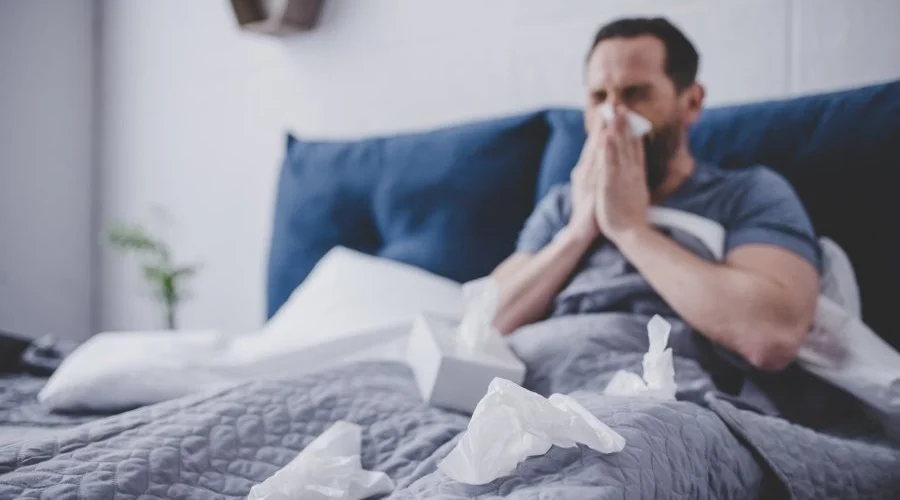
Mold exposure often manifests subtly, with symptoms like fatigue, brain fog, or concentration issues that people may not initially associate with their environment. These signs can become more apparent over time, especially in areas with poor ventilation or water damage.
When standard health checks do not provide answers, looking at both your environment and your body’s internal responses through a more holistic lens can provide helpful insight.
Disclaimer: This content is for informational purposes only and does not replace medical advice. Always consult a qualified healthcare provider before making health decisions.
What Is Mold Illness?
Mold illness, often linked to Chronic Inflammatory Response Syndrome (CIRS), refers to symptoms that can develop after exposure to mold and its byproducts, known as mycotoxins. These compounds may trigger an abnormal immune response in sensitive people.
According to the Centers for Disease Control and Prevention (CDC), mold exposure can affect more than just respiratory health in certain people. It may influence multiple systems, including the immune, nervous, and metabolic systems. This is why symptoms can feel widespread and vary significantly from person to person.
Most Common Symptoms and How Mold Exposure Is Identified
Because mold exposure symptoms often mimic other conditions, a specialized mold illness test may help provide additional clarity. Standard allergy panels usually focus on immediate immune reactions, whereas functional testing may assess mycotoxins in urine or specific blood tests.
Common indicators that you may need testing include:
- Brain fog, memory lapses, or difficulty focusing
- Muscle aches, joint pain, or unusual sensitivity
- Ongoing sinus congestion or shortness of breath
If you begin a protocol and experience temporary mold detox symptoms such as headaches or mild skin breakouts, these may reflect how your body is responding during the process.
Always work with a qualified provider for proper interpretation and guidance.
How to Detox Your Body From Mold Naturally
Supporting your body after mold exposure starts with one important foundation: reducing or eliminating the source of exposure.
Here are practical steps to help support your body:
Address the Environment First
Before focusing on internal support, it is essential to improve your surroundings. Proper mold remediation, such as fixing water damage, improving airflow, and maintaining indoor humidity, plays a key role in long-term recovery.
Support Natural Detox Pathways
Your body has systems like the liver, gut, and lymphatic system to process and eliminate unwanted substances. Supporting these with balanced nutrition and hydration helps maintain their function.
Focus on Nutrition and Hydration
A whole-food diet rich in fiber, vitamins, and antioxidants can support overall health. Staying hydrated also helps maintain normal detoxification processes and energy levels.
Prioritize Sleep and Stress Management
Sleep and stress management directly affect how your body responds. Simple practices like consistent sleep routines or gentle movement can make a noticeable difference.
Consider Children’s Needs Carefully
When considering how to detox a child from mold, the focus should remain on improving the environment, supporting nutrition, and working closely with a qualified provider to ensure safety.
Functional Medicine Support for Mold Illness
A structured approach to mold illness treatment focuses on supporting the body in a personalized way rather than relying on a single solution.
Because each person responds differently, care is often tailored to individual needs.
- Supplements and Support: Some individuals explore supplements, such as binders or nutrients, to support mold detox. These should always be used under the guidance of a qualified healthcare provider to ensure safety.
- Ongoing Monitoring: Support strategies may be adjusted over time based on how your body responds. Tracking changes in energy, digestion, and overall well-being helps guide safe next steps.
At Internal Healing and Wellness MD, the team offers functional medicine support that focuses on identifying patterns across your symptoms, environment, and overall health. This helps you build a personalized plan that complements your overall wellness journey.
Disclaimer: This content is for informational purposes only and does not replace medical advice. Always consult a qualified healthcare provider before making health decisions.
Frequently Asked Questions
Certain foods like cruciferous vegetables, garlic, and onions contain compounds that support the body’s natural detoxification processes and help manage exposure to mold toxins.
No. Allergic rhinitis is a localized nasal reaction to allergens like mold spores, while mold illness or mold toxicity involves broader symptoms that may develop over time and go beyond typical allergic responses.
Yes. Reducing or removing ongoing mold growth, including black mold, is an important first step, as improving indoor air quality supports any wellness or recovery plan.
Children benefit from gentle, supportive approaches focused on improving air quality, nutrition, and daily routines, ideally guided by a qualified healthcare provider.
For sensitive individuals, continued exposure may worsen asthma symptoms. Early identification, proper remediation, and supportive care can help reduce the impact over time.
Start Creating a Healthier Environment for Your Body Today
Understanding how your environment affects your health is an important step toward feeling better. With the right support and guidance, small changes can help you improve over time.
Schedule your consultation to discover personalized, supportive care from Dr. Khan and his team.
Relevant Studies and References
- World Health Organization. (n.d.). Mycotoxins. https://www.who.int/news-room/fact-sheets/detail/mycotoxins
- Centers for Disease Control and Prevention. (n.d.). Mold and health problems. https://www.cdc.gov/niosh/mold/health-problems/index.html


