


Cancer Testing in Personalized Care
Cancer testing often begins with routine screening, such as a Pap test for cervical cancer, mammograms for breast cancer, low-dose computed tomography for lung cancer, or blood-based tools like the Galleri test for multi-cancer early detection. While these screening tests help find cancer early, they do not confirm a diagnosis.
A biopsy with pathological examination remains the gold standard for confirming cancer and guiding evidence-based treatment decisions. Beyond screening and diagnosis, some advanced cancer testing methods may offer additional insight into tumor behavior and treatment response, including functional chemo-sensitivity testing and Research Genetic Cancer Center (RGCC), also known as Greek Test.
Disclaimer:This content is for educational purposes only. It does not replace medical advice. Always consult your healthcare provider before making decisions about cancer testing or cancer treatment.
What Is Functional Chemo-Sensitivity Testing
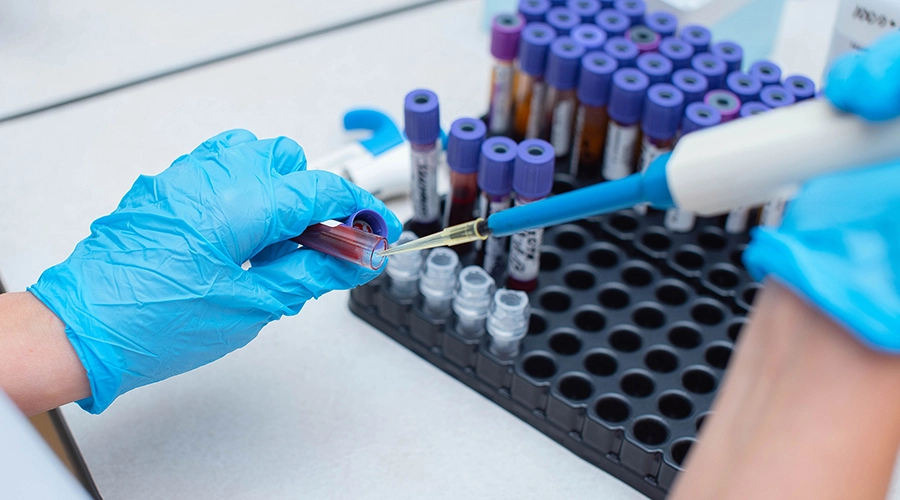
Functional chemo-sensitivity testing evaluates how live tumor tissue responds to chemotherapy drugs in a controlled laboratory setting. Rather than focusing only on genetic mutations, it studies how cancer cells behave when directly exposed to chemotherapy agents.
What Functional Testing Shows
This approach analyzes tumor tissue after a confirmed diagnosis and may help guide treatment discussions, particularly for patients undergoing active cancer treatment.
It may clarify:
- Drug response patterns: Tumor tissue is exposed to chemotherapy agents to observe sensitivity or resistance outside the body, which may help compare treatment options, though in vitro findings do not guarantee real-world response.
- Functional cell behavior: Measures survival, growth changes, or cell death after drug exposure, providing practical insight while recognizing that laboratory conditions differ from the body.
- Potential resistance signals: May identify treatments with limited in vitro activity before modifying a care plan, though false-negative results can still occur.
- Clinical integration:May complement genomic testing and tumor marker tests but requires viable tumor tissue from a properly handled biopsy and does not replace established diagnostic standards.
RGCC Cancer Testing and Its Clinical Context
RGCC is a blood test that analyzes circulating tumor cell activity. These cells can detach from a tumor and enter the bloodstream, where they may reflect patterns linked to cancer signals. Detection alone does not confirm an active cancer diagnosis and must be interpreted alongside established diagnostic procedures.
RGCC Testing Insights
RGCC evaluates circulating tumor cell patterns and related biological markers during care. It may add context when reviewed within the broader diagnostic picture.
It may clarify:
- Circulating tumor cell detection: Identifies and counts cancer-related cells in blood, which may help monitor trends, though detection alone does not diagnose cancer.
- Cellular marker analysis: Evaluates traits linked to tumor activity or progression, while recognizing that not all cancers shed detectable cells.
- Treatment-related markers: Assesses circulating tumor cell counts and biological marker patterns that may be associated with tumor activity or resistance. Clinical interpretation varies, and false-negative or false-positive results remain possible.
- Clinical integration: This can be repeated and reviewed alongside imaging or other laboratory tests. Abnormal findings require confirmatory diagnostic evaluation, which may involve a biopsy.
Key Differences in These Cancer Testing Methods
Functional Chemo-Sensitivity Testing and RGCC use different biological materials and may serve distinct roles in clinical care, depending on the clinical context. These differences influence how results are interpreted within a broader treatment plan.
Available Testing Panels
Both approaches offer multiple laboratory panels with distinct methodologies and clinical applications. The following testing panels are available through IHAWMD, with laboratories operating under high-complexity standards such as Clinical Laboratory Improvement Amendments (CLIA), to ensure quality and reliability.
Functional Chemo-Sensitivity Testing panels may include:
- Tumor Chemosensitivity Assays (TCAs): Exposes tumor cells to chemotherapy drugs to measure sensitivity or resistance.
- ChemoScale testing: Evaluates how a patient’s tumor cells respond to different chemotherapy drugs.
- Ex Vivo Chemotherapy Response Assays: Performed on tumor tissue outside the body to observe responses to chemotherapy drugs.
RGCC may include:
- Onconomics: Identifies effective treatments via circulating tumor cells (CTCs), to determine tumor sensitivity to targeted therapies, guiding personalized treatment selection.
- Onconomics Plus: An expanded panel that evaluates the effectiveness of anti-cancer drugs and targeted therapies for a more comprehensive treatment assessment.
- Onconomics Extracts+: A specialized panel that provides detailed insight into the effectiveness of specific natural substances and plant extracts..
Sample and Clinical Differences: Functional Testing vs. RGCC
The primary distinction involves the sample type and what each method evaluates.
Functional testing: Uses tumor tissue obtained through biopsy or surgery. The sample is exposed to selected chemotherapy drugs to assess in vitro response patterns and resistance. In some cases, this information may be considered when additional laboratory insight is sought during chemotherapy planning after a confirmed cancer diagnosis.
RGCC testing: Uses a peripheral blood test to analyze circulating tumor cell (CTC) activity and selected tumor markers linked to cancer signals. It does not involve direct drug exposure and is more commonly used to monitor biological patterns during care.
Neither method replaces biopsy, imaging tests, confirmatory diagnostic evaluation, or routine cancer screening tests used for early detection. Both are reviewed within established clinical pathways under healthcare provider guidance.
Which Cancer Testing Option May Be More Appropriate
There is no single “best” approach to cancer testing. The appropriate option depends on the type, stage, cancer risk, and current goals.
Further, advanced cancer tests should always be discussed with an oncology provider to complement recommended screening tests and medically established procedures.
When Functional Testing May Be Considered
Functional Chemo-Sensitivity Testing is discussed after diagnosis has been confirmed. It may be relevant when additional laboratory data could help plan treatment.
This option may be considered when:
- A biopsy has provided viable tumor tissue for analysis.
- Chemotherapy decisions require more detailed information about responses.
- There is concern about possible resistance before modifying the care plan.
When RGCC Blood-Based Testing Is Applicable
RGCC Cancer Testing may be reviewed when a blood-test-based approach is being considered. It is generally considered a supplemental tool rather than a replacement for standard cancer screening tests.
Situations where it may enter discussion include:
- Preference for blood-based monitoring
- Tracking CTC trends during active care
- Integrative settings reviewing additional cancer blood tests
Why Clinical Context and Oncology Oversight Matter
Clinical context guides every decision. No single method fits all stages or cancer types.
Important considerations include:
- The specific type and stage (e.g., breast cancer, cervical cancer, lung cancer, colorectal cancer, prostate cancer, bladder cancer, pancreatic cancer, or blood cancers)
- The current phase of care, including patients undergoing active treatment
- Overall health status and clinical signs
- Ongoing coordination with a healthcare provider and oncology team
Advanced testing may add insight, but cancer screening tests recommended by established clinical guidelines remain the primary method for early detection in people without symptoms. When findings raise concern, a confirmatory diagnostic evaluation is required to establish an accurate diagnosis.
IHAWMD’s Approach to Advanced Cancer Testing
At Internal Healing and Wellness MD (IHAWMD), cancer testing is reviewed within a structured clinical framework. Advanced cancer tests are considered alongside standard cancer screening and established care pathways.
Our clinical approach includes:
Whole-body perspective: Clinical review may consider immune function, overall health status, metabolic balance, nutrition, and inflammatory factors.
Collaborative care: Test results may be reviewed alongside pathology and imaging while coordinating with oncology providers and existing care plans.
Personalized planning: Testing decisions consider cancer type, stage, timing, and overall clinical relevance, with results interpreted within the broader diagnostic context.
The Goal of Advanced Cancer Testing
Functional Chemo-Sensitivity Testing and RGCC may provide added perspective when treatment decisions require closer evaluation. Their role is to contribute data that may help clarify response patterns during care.
In select cases, they may contribute to:
- Comparing chemotherapy options within oncology-guided care
- Reviewing possible resistance trends
- Monitoring CTC patterns over time in select clinical settings when clinically appropriate
- Informing individualized discussions alongside established treatment planning
Disclaimer: This content is for educational purposes only and does not replace medical advice. Always consult a qualified healthcare provider before making decisions about cancer testing or treatment.
Frequently Asked Questions
RGCC testing is performed through an international laboratory and is not FDA-approved as a diagnostic test in the United States. It is not considered routine cancer screening and is not used to find cancer in people without a confirmed diagnosis. Patients should discuss regulatory status and clinical relevance with their healthcare provider.
Some cancer blood tests can detect cancer signals by identifying tumor markers or circulating tumor cells. Certain tools aim to find cancer early, including some of the deadliest cancers, but a blood test alone does not diagnose cancer. A confirmed diagnosis typically requires a tissue biopsy and appropriate imaging.
To diagnose cancer, physicians rely on biopsy results, staging, and established clinical guidelines. Treatment decisions are based on tumor type, stage, and overall health status. In some cases, molecular testing or liquid biopsy tests may provide additional context when planning care.
No. Laboratory findings from functional testing do not guarantee how cancer cells will respond inside the body. While results may help guide discussion, false negative results can still occur, and decisions must be made within established clinical standards.
Yes. Even when advanced testing is performed, biopsy and pathological examination remain essential to diagnose cancer accurately. Cancer screening helps find cancer early, but confirming the disease requires tissue evaluation before final treatment decisions are made.
Explore Personalized Cancer Testing With IHAWMD
Wondering whether advanced cancer testing may be clinically appropriate in your case?
Schedule a consultation with IHAWMD to review your diagnosis, current care plan, and discuss whether additional testing may be appropriate within coordinated oncology care.


